Introduction: The Role of Drug Manufacturing Today
The healthcare industry depends on a manufacturing ecosystem that can turn scientific formulations into consistent, safe and commercially viable products. A drug manufacturing company is central to this journey, combining formulation expertise, production systems, quality controls and regulatory practices to deliver medicines and healthcare products at scale. As patient needs become more specialized, manufacturers also need capabilities that support different dosage forms, sterile environments, advanced delivery systems and evolving market requirements.
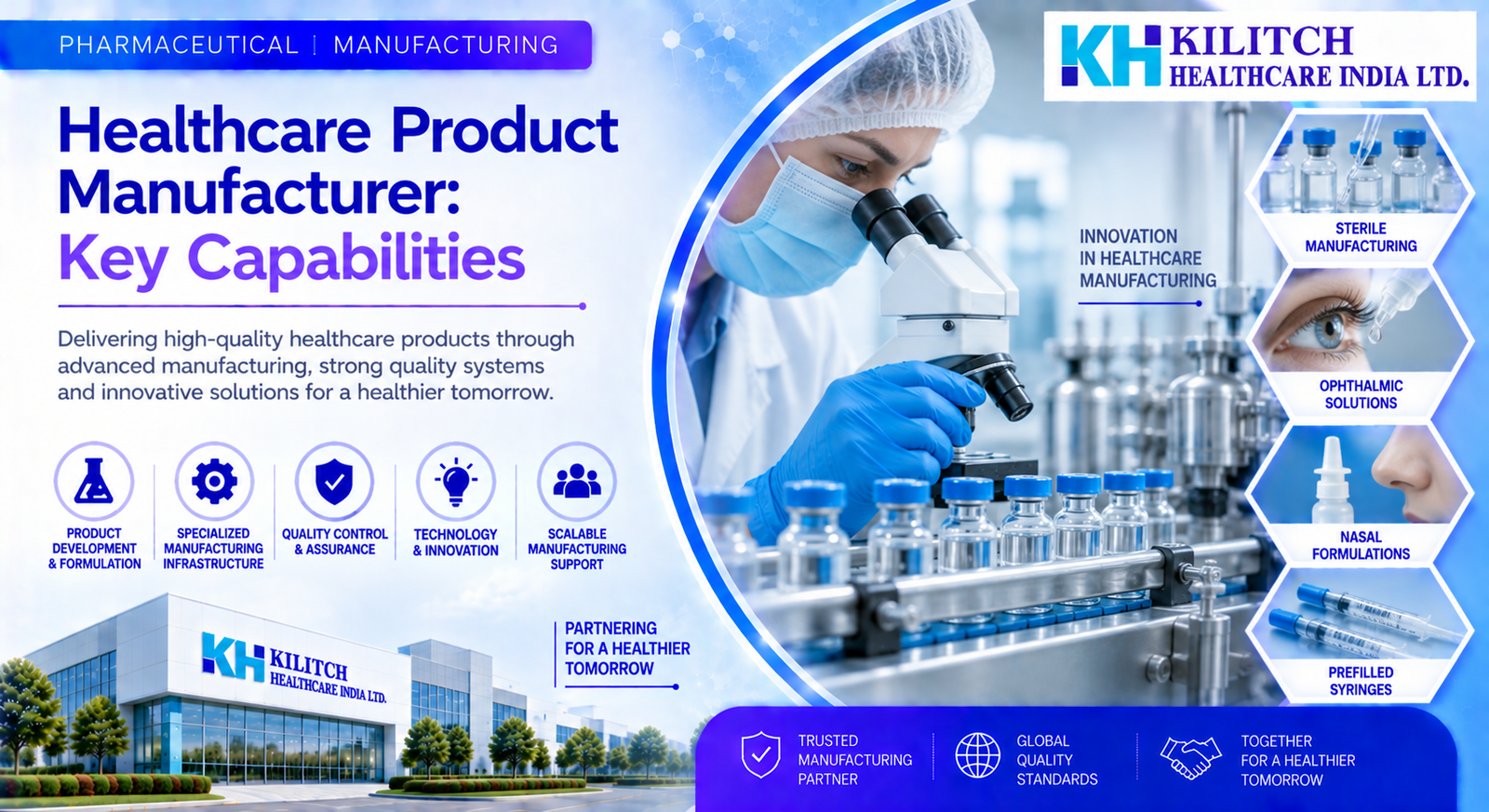
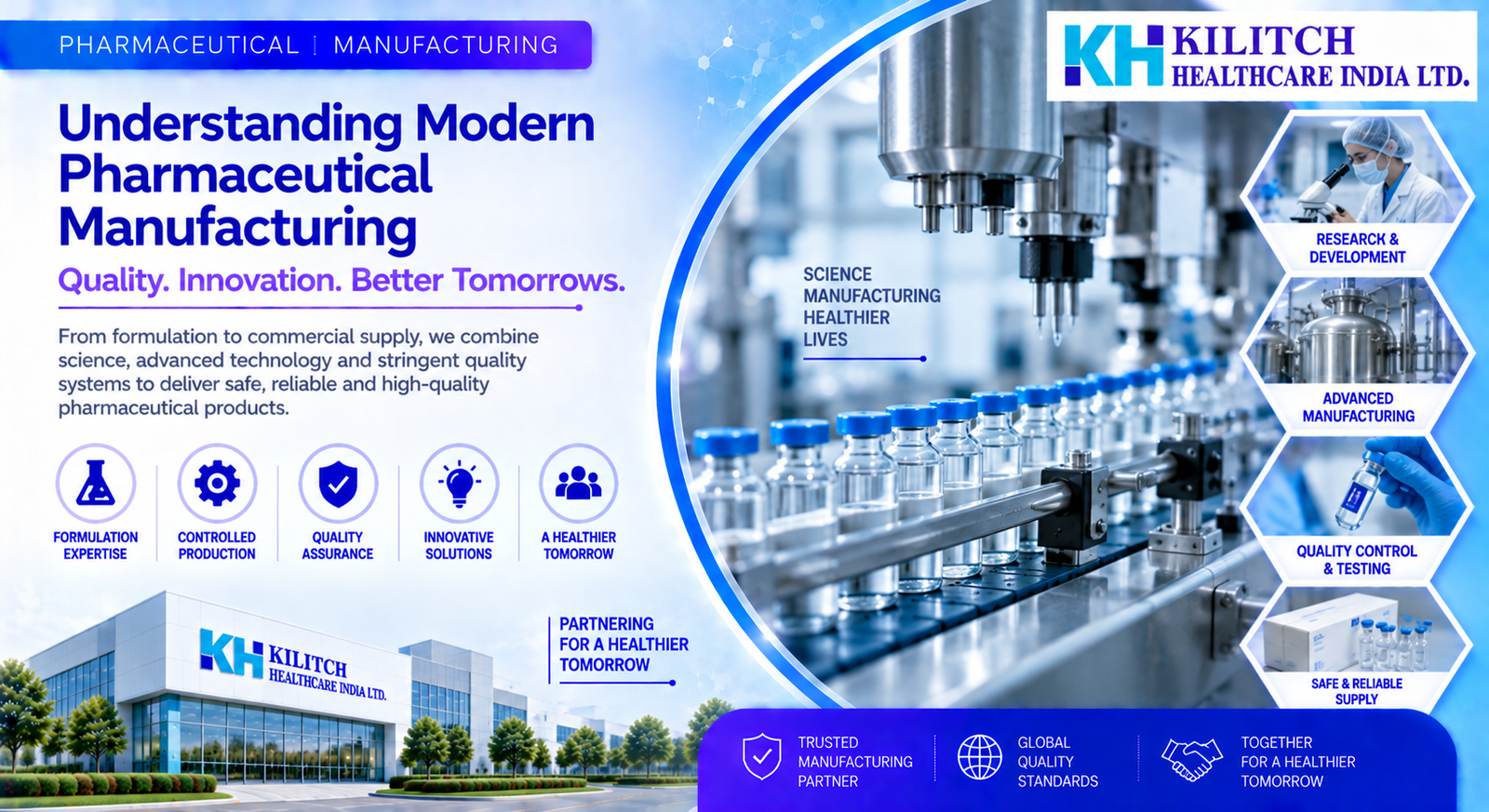
Modern manufacturing is no longer limited to producing a finished medicine. It can involve research and development, process optimization, technology transfer, scale-up, quality assurance, packaging and commercialization. Companies seeking a manufacturing partner therefore evaluate much more than production capacity. They look for technical knowledge, reliable systems, innovation and the ability to maintain consistent quality from one batch to the next. In this context, organizations researching Kilitch Drugs can also evaluate the range of specialized manufacturing capabilities available for sterile injectables, ophthalmic formulations, nasal formulations, prefilled syringes and swab-sticks.
Understanding the Drug Manufacturing Process
From Formulation to Scale-Up
Drug manufacturing begins with a clearly defined formulation and manufacturing process. Development teams work to establish the right composition, dosage form, stability characteristics and production parameters. Once a formulation is ready for manufacturing, the process must be translated into a controlled, repeatable operation. Scale-up is particularly important because a process that works at development scale may require adjustment before commercial production.
Controlled Production
Production involves controlled handling of raw materials, equipment, environmental conditions and process parameters. Depending on the dosage form, manufacturers may use specialized facilities and procedures. Sterile products, for example, require stringent controls designed to minimize contamination risks. Consistency is essential because every commercial batch should meet predefined specifications and quality requirements.
Packaging and Product Protection
Packaging is another important part of manufacturing because it protects the product and supports correct use throughout its intended shelf life. The selected container or delivery system can be especially important for ophthalmic, injectable and other sensitive products. Manufacturing expertise therefore extends beyond filling a product into a pack; it includes selecting and validating processes that support product integrity.
Why Quality Systems Matter in Drug Manufacturing
Quality Assurance and GMP
A strong quality system provides the framework for consistent manufacturing. Good Manufacturing Practices, commonly known as GMP, guide activities ranging from material handling and documentation to production controls, testing and release. A reliable drug manufacturing company integrates quality into the process rather than treating inspection as a final step.
Testing and Batch Consistency
Quality control activities help verify that materials, in-process samples and finished products meet defined specifications. Documentation and traceability allow manufacturers to understand what happened during production and support investigation when deviations occur. Consistent procedures also help reduce variability and provide confidence that approved processes are being followed across batches.
Regulatory Readiness
Manufacturers serving regulated markets must also understand applicable regulatory expectations. This can influence facility design, documentation, validation, testing, data integrity and change control. Building these disciplines into daily operations makes manufacturing more structured and supports the requirements associated with domestic and international markets.
Technology, Innovation and Specialized Manufacturing
Technology continues to reshape drug manufacturing by improving process control, product delivery and manufacturing efficiency. Advanced equipment, automation and validated technologies can support repeatability while specialized delivery formats can improve convenience and usability for patients and healthcare professionals.
Technology continues to reshape drug manufacturing by improving process control, product delivery and manufacturing efficiency. Advanced equipment, automation and validated technologies can support repeatability while specialized delivery formats can improve convenience and usability for patients and healthcare professionals. For businesses researching Kilitch Drugs, these manufacturing technologies can be particularly relevant when evaluating specialized dosage forms and controlled production environments.
Research and development also plays a central role in innovation. A manufacturer with technical R&D capabilities can evaluate formulations, optimize processes and work with partners during development and scale-up. This becomes valuable when a product needs to move from an initial concept to a reliable commercial process without losing its intended quality attributes.
Choosing the Right Manufacturing Partner
Evaluate Technical Capabilities
The right partner should have capabilities that match the product being developed or commercialized. Companies should examine dosage forms, production lines, development expertise, analytical capabilities, packaging options and experience with the relevant product category. A mismatch between the product requirements and manufacturing infrastructure can create avoidable delays later in the project.
Assess Quality and Compliance
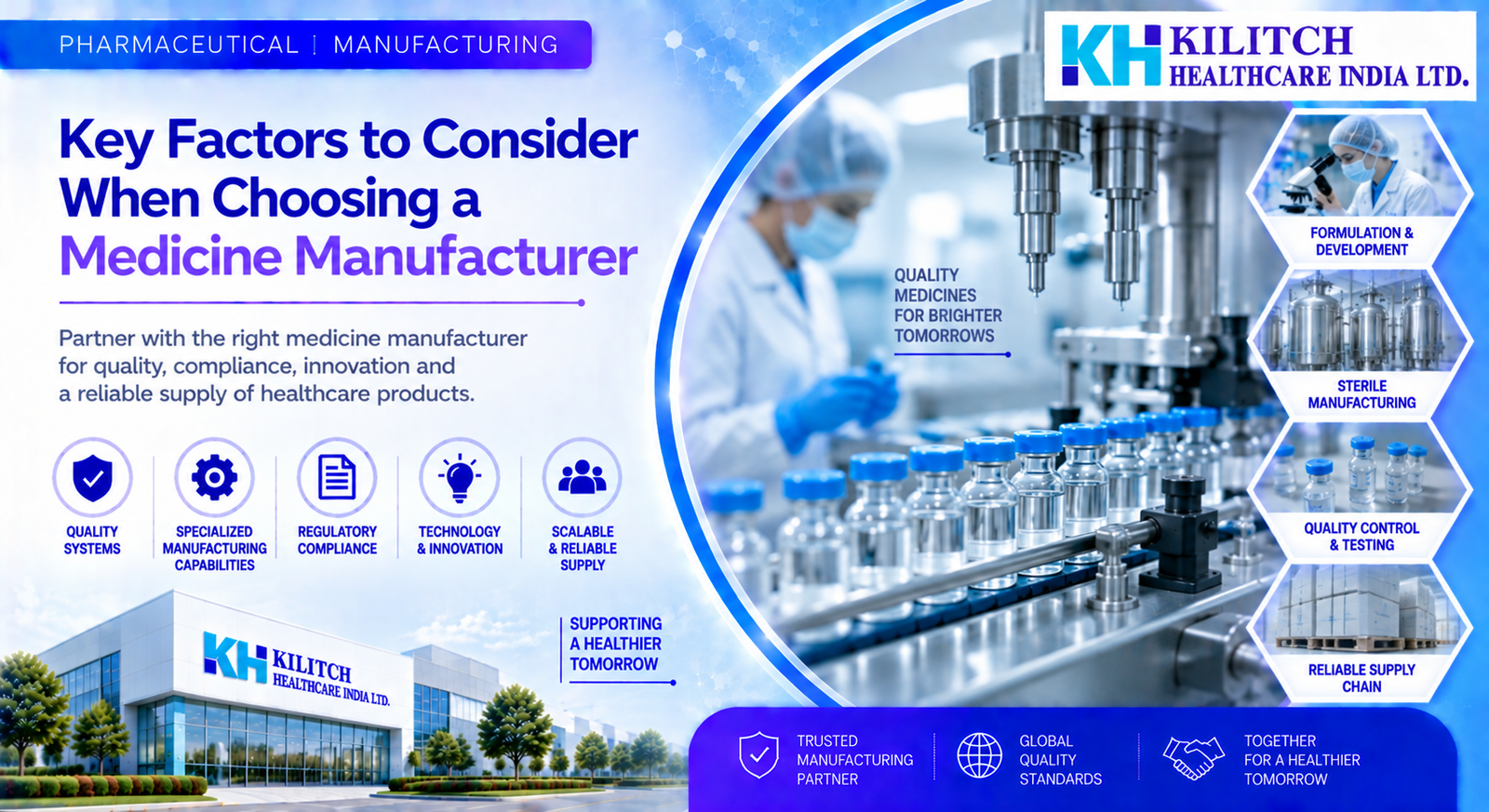
Quality systems deserve close attention during partner selection. Prospective clients can review manufacturing practices, documentation systems, quality control processes, validation capabilities and relevant certifications or regulatory experience. These factors provide a more meaningful picture of manufacturing readiness than production capacity alone.
Consider Scalability and Collaboration
A manufacturing relationship often extends beyond a single production run. Development, technology transfer, scale-up, supply planning and ongoing improvements may require continuous collaboration. A partner that can support multiple stages of the product lifecycle can simplify coordination as demand grows.
The Growing Importance of Flexible Drug Manufacturing
Healthcare markets continue to diversify, creating demand for different dosage forms, specialized therapies and delivery systems. Manufacturers must therefore balance standardized processes with the flexibility needed for specialized products. This includes adapting production systems, managing different packaging formats and maintaining rigorous quality controls across product categories.
A manufacturing relationship often extends beyond a single production run. Development, technology transfer, scale-up, supply planning and ongoing improvements may require continuous collaboration. A partner that can support multiple stages of the product lifecycle can simplify coordination as demand grows. Kilitch Healthcare lists contract manufacturing, product development and commercialization, technology transfer for commercial supply and product licensing among its service areas, giving companies evaluating Kilitch Healthcare a broader view of the support that can sit around manufacturing itself.
Conclusion: Building Reliable Healthcare Manufacturing
Drug manufacturing is a multidisciplinary process that connects scientific development with controlled commercial production. From formulation and scale-up to quality assurance, specialized technologies, packaging and regulatory readiness, each stage contributes to the consistency and reliability of the finished product.
Drug manufacturing is a multidisciplinary process that connects scientific development with controlled commercial production. From formulation and scale-up to quality assurance, specialized technologies, packaging and regulatory readiness, each stage contributes to the consistency and reliability of the finished product. As healthcare requirements continue to evolve, manufacturers that combine technical expertise, strong quality systems and innovation can support a wider range of product and market needs. Organizations evaluating drug manufacturing capabilities can start by reviewing the manufacturer’s services, technologies and production expertise against their specific development and supply objectives.