Introduction: Why the Choice of Manufacturer Matters
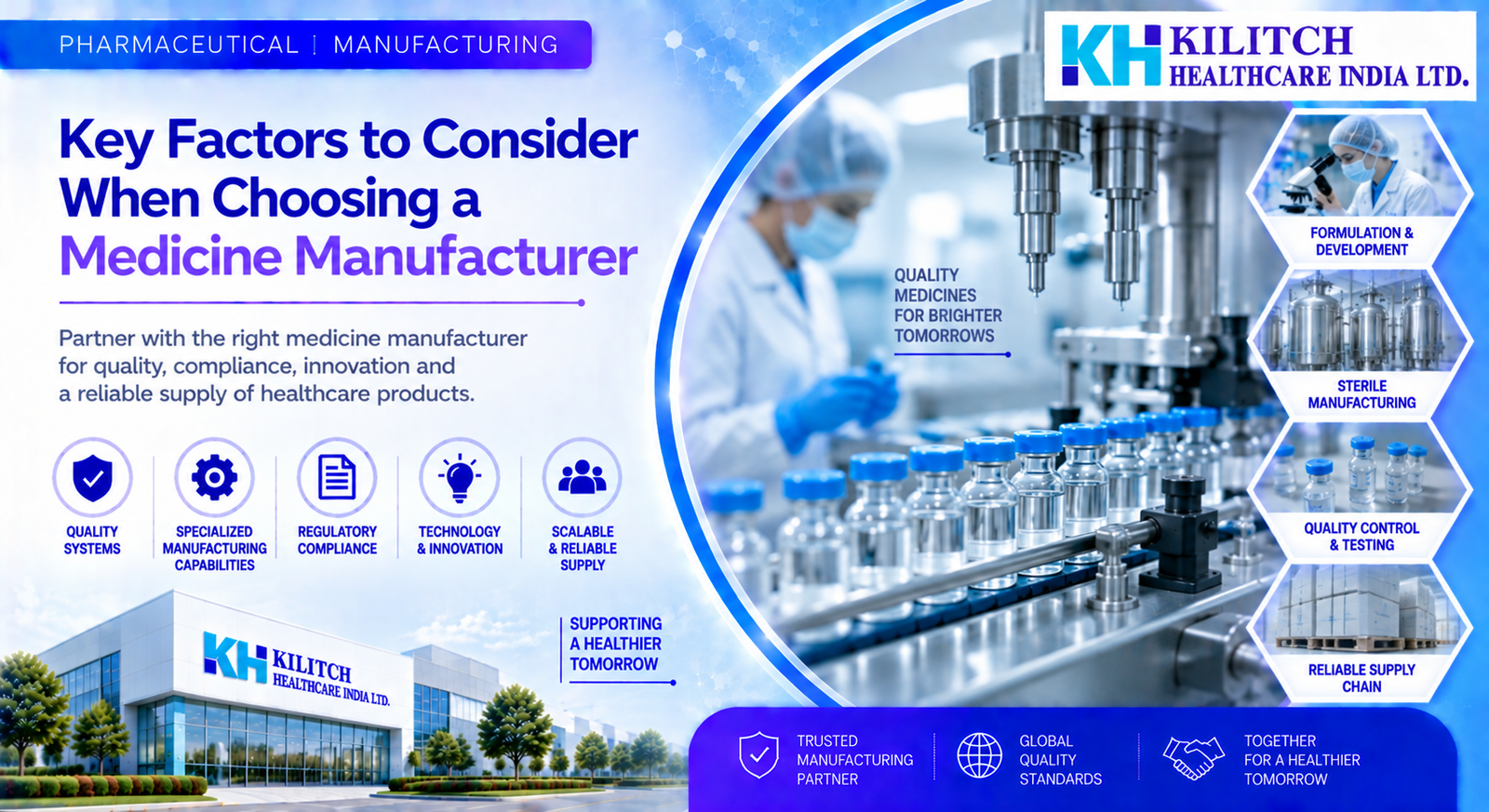
A medicine manufacturer plays an important role in turning an approved formulation or healthcare product concept into a consistent finished product. Manufacturing involves much more than operating production equipment. It brings together technical expertise, quality systems, trained personnel, documentation, testing, packaging and supply planning. For businesses developing or commercializing medicines, the choice of manufacturing partner can therefore influence how efficiently a product moves from development into routine production.
The right partner should be selected according to the product’s actual requirements. Dosage form, production environment, formulation complexity, expected volumes, packaging format and target markets can all affect the capabilities required. Businesses reviewing a potential medicine manufacturer can begin by comparing technical infrastructure and quality practices before moving into commercial discussions.
Understanding Medicine Manufacturing Capabilities
Formulation and Product Development
Product development establishes the technical foundation for manufacturing. Depending on the project, a manufacturer may support formulation development, optimization, process development or scale-up. Development teams need to understand how ingredients, equipment and process parameters interact so that the resulting process can be translated into controlled commercial production.
Strong development capabilities can also help identify manufacturing challenges early. A process may perform differently when moving from laboratory or pilot scale to larger batches, so scale-up planning is important. The goal is to create a repeatable process that maintains the intended quality attributes of the medicine.
Specialized Dosage Forms
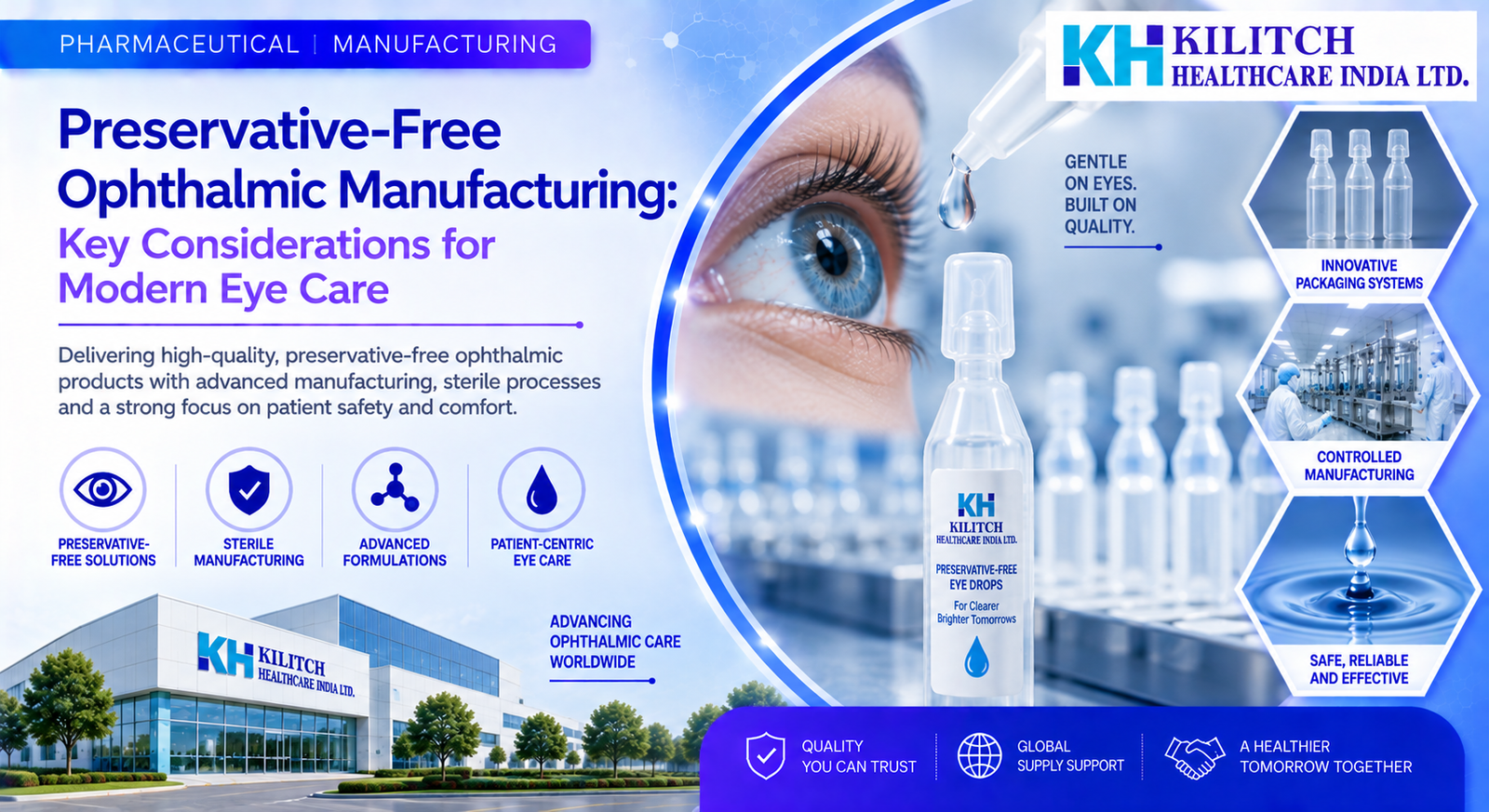
Medicine manufacturing covers many dosage forms, and each can require different equipment and controls. Sterile injectables, ophthalmic products, nasal formulations and prefilled syringes, for example, may require specialized facilities, controlled environments and dedicated processes.
Kilitch Healthcare works across several specialized healthcare categories. Businesses researching Kilitch Drugs can therefore consider not only the medicines themselves but also the manufacturing technologies, dosage-form expertise and production environments available to support them.
Quality Systems and Manufacturing Standards
Quality Assurance
Quality assurance provides the framework for consistent manufacturing. It can include standard operating procedures, employee training, validation, change control, deviation management, corrective and preventive actions, documentation review and batch release. These controls help ensure that production activities remain aligned with approved procedures and specifications.
For a company selecting a manufacturing partner, quality should be assessed throughout the operation rather than only through finished-product testing. A mature quality system connects people, processes, equipment and documentation so that quality is built into manufacturing activities.
Quality Control and Testing
Quality control verifies whether raw materials, in-process materials and finished products meet established specifications. Testing requirements vary according to the product and may involve physical, chemical, microbiological or other analytical evaluations. Reliable testing procedures and controlled records help support product release decisions and batch consistency.
Traceability is equally important. Manufacturers should maintain records that allow materials, production steps, testing and finished batches to be connected through documented information. This provides visibility across the manufacturing lifecycle and supports investigation when unexpected results or deviations occur.
Regulatory Compliance
Medicines are produced within regulatory frameworks that define expectations for facilities, processes, documentation, validation, testing and product quality. A manufacturer’s familiarity with applicable requirements can be especially important for companies planning to supply multiple markets.
Regulatory readiness is not limited to obtaining certifications. It also involves maintaining controlled procedures, accurate records, data integrity and disciplined change management. These practices help manufacturers respond systematically as products, processes or market requirements evolve.
Technology and Innovation in Medicine Manufacturing
Technology can improve manufacturing consistency, process control and product delivery. Automation may reduce manual variability in suitable operations, while specialized equipment can support precise filling, controlled environments and advanced packaging. Technology selection should always be aligned with the specific dosage form and manufacturing process rather than treated as an isolated investment.
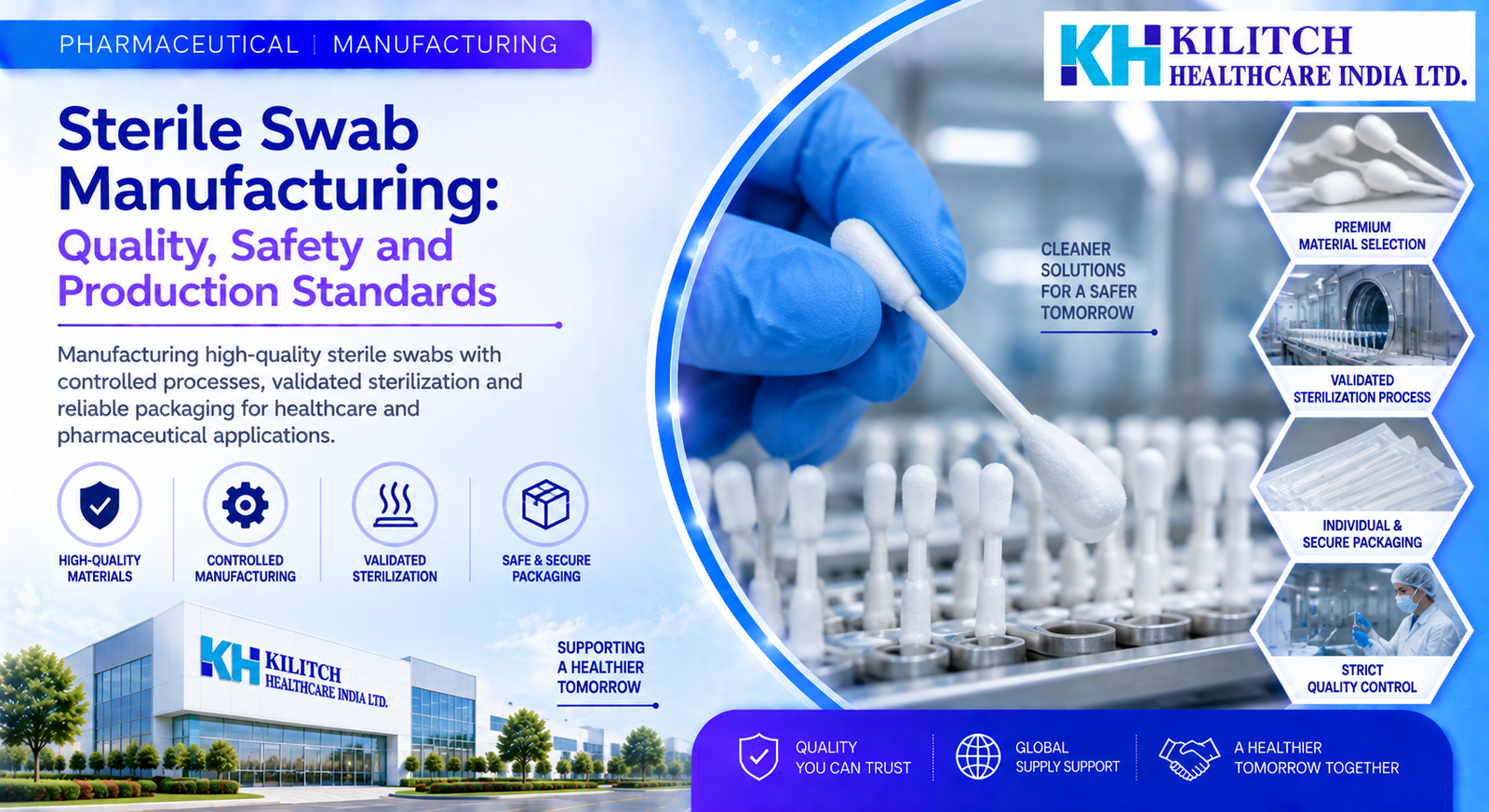
Innovation can be particularly valuable for specialized healthcare products. Kilitch Healthcare describes capabilities involving preservative-free delivery systems, sterile swab-stick applications, blister sterilization and gel drop technology. Companies evaluating Kilitch Drugs can use such technical capabilities as part of a broader assessment of how a manufacturer approaches specialized product requirements.
A manufacturer’s research and development capabilities can also influence innovation. Development teams may work on formulations, process improvements and technology transfer while collaborating with clients on the path toward commercial manufacturing. This can create continuity between development work and routine production.
Technology Transfer and Scale-Up
Moving From Development to Production
Technology transfer is the controlled movement of product and process knowledge from one development or manufacturing setting to another. It may include formulation information, manufacturing instructions, analytical methods, specifications, critical process parameters and equipment requirements. Clear documentation helps the receiving team reproduce the intended process accurately.
Scale-up adds another layer of complexity because commercial equipment and production conditions may differ from development environments. Manufacturers need to evaluate process behavior, equipment compatibility, batch size and controls while maintaining established product quality requirements.
Supporting Commercial Supply
Once a medicine enters routine production, reliable supply becomes a continuing requirement. Production scheduling, raw-material availability, quality release, packaging and inventory planning all contribute to supply performance. A manufacturer should therefore be assessed for both current capacity and its ability to support future demand.
For companies considering a long-term manufacturing relationship, understanding medicine manufacturing services can help clarify whether a potential partner can support the required stages from development and transfer through commercial production and ongoing supply.
How to Evaluate a Medicine Manufacturer
Match Manufacturing Expertise to the Product
Begin with the product’s dosage form, formulation, environmental requirements, expected batch size and packaging. A manufacturer with broad capabilities is not automatically suitable for every project; the relevant question is whether its specific infrastructure and expertise match the product requirements.
Review Quality and Documentation
Ask how the manufacturer manages quality assurance, testing, validation, deviations, changes, documentation and batch traceability. These systems reveal how manufacturing is controlled in practice and can provide useful insight into operational discipline.
Assess Scalability and Collaboration
Manufacturing partnerships often extend over several years. Consider whether the manufacturer can support increasing volumes, additional product variants, technology transfers and process improvements. Communication between development, production, quality and supply teams can also influence the efficiency of the relationship.
Conclusion: Building a Reliable Manufacturing Partnership
Choosing a medicine manufacturer is a strategic operational decision because manufacturing connects product development with consistent commercial supply. Technical expertise, specialized facilities, quality systems, regulatory discipline, technology transfer and scalability all contribute to the manufacturer’s ability to support a product effectively.
Businesses can make the evaluation more structured by first defining product requirements and then comparing manufacturers against those requirements. Reviewing medicine manufacturing capabilities through the manufacturer’s website can provide a useful starting point for understanding its technologies, services and areas of expertise before discussing a potential manufacturing project.