The global demand for effective ophthalmic formulations is rising rapidly as eye disorders become more prevalent across all age groups. From dry eye syndrome and glaucoma to post-surgical care and infections, advanced ophthalmic pharmaceutical products play a crucial role in modern eye treatment.
Developing safe, effective, and sterile eye medications requires precision science, advanced manufacturing technology, and strict regulatory compliance. For pharmaceutical manufacturers specializing in ophthalmic drug manufacturing, innovation and sterility are not optional — they are essential.
Understanding Ophthalmic Formulations
Ophthalmic formulations are sterile pharmaceutical preparations designed specifically for administration in the eye. These include:
- Eye drops
- Ophthalmic suspensions
- Eye ointments
- Sterile ophthalmic solutions
- Preservative-free eye drops
Because the eye is highly sensitive, ophthalmic products must meet stringent sterility and safety standards. Unlike other dosage forms, even minor contamination in ophthalmic manufacturing can lead to severe infections or vision complications.
Why Sterility Is Critical in Ophthalmic Drug Manufacturing
The eye’s protective mechanisms are delicate. Any microbial contamination can cause serious conditions such as conjunctivitis, keratitis, or corneal ulcers. Therefore, sterile ophthalmic manufacturing requires:
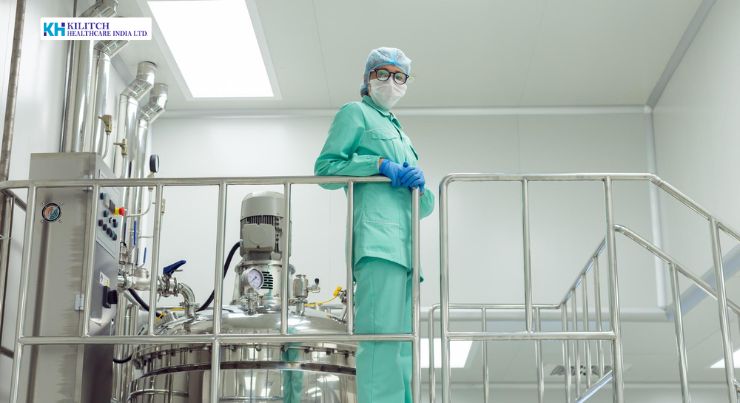
- Aseptic processing environments
- HEPA-filtered cleanrooms
- Controlled filling lines
- Microbial testing and validation
- Endotoxin and particulate monitoring
Pharmaceutical companies involved in ophthalmic pharmaceutical manufacturing must comply with global GMP standards and maintain validated sterile production processes.
Sterility assurance is the backbone of safe and effective ophthalmic drug development.
Key Components of Advanced Ophthalmic Formulations
Modern ophthalmic products are formulated with scientific precision to ensure stability, comfort, and therapeutic efficiency.
1. Active Pharmaceutical Ingredients (APIs)
These are the therapeutic components targeting specific eye conditions such as inflammation, infection, or glaucoma.
2. pH and Osmolarity Balance
Ophthalmic solutions must match the natural tear fluid to prevent irritation. Proper pH adjustment improves patient comfort and drug absorption.
3. Preservatives or Preservative-Free Systems
While preservatives extend shelf life, preservative-free eye drops are increasingly preferred to reduce irritation, especially in chronic treatments.
4. Viscosity Enhancers
These ingredients improve contact time with the ocular surface, enhancing drug effectiveness.
The science behind ophthalmic formulation development ensures that medications remain stable, sterile, and effective throughout their shelf life.
Growing Demand for Ophthalmic Pharmaceutical Products
Several factors are driving the growth of the ophthalmic pharmaceutical market:
Increasing Screen Time
Digital device usage has significantly increased cases of dry eye syndrome and digital eye strain.
Aging Population
Age-related eye disorders such as cataracts and glaucoma are becoming more common globally.
Post-Surgical Eye Care
Advanced ophthalmic formulations are widely used after cataract and refractive surgeries.
Rising Awareness of Eye Health
Patients are seeking early treatment for minor symptoms, boosting demand for high-quality ophthalmic solutions.
These trends are creating strong opportunities in ophthalmic drug manufacturing and global exports.
Innovation in Ophthalmic Drug Development
The future of ophthalmic pharmaceutical manufacturing is shaped by innovation and patient-centric solutions.
Preservative-Free Multi-Dose Systems
Advanced packaging allows multiple uses without preservatives, improving safety for long-term patients.
Sustained-Release Ophthalmic Formulations
New technologies enable extended drug release, reducing dosing frequency.
Single-Dose Sterile Units
These minimize contamination risk and improve compliance.
Advanced Packaging Technology
Blow-fill-seal (BFS) technology is widely used in ophthalmic manufacturing to maintain sterility and minimize human intervention.
These innovations enhance product safety, therapeutic performance, and regulatory compliance.
Regulatory Compliance in Ophthalmic Manufacturing
Compliance with international pharmaceutical regulations is essential in ophthalmic drug production. Manufacturers must adhere to:
- Good Manufacturing Practices (GMP)
- Sterility validation protocols
- Stability studies
- Environmental monitoring
- Documentation and batch traceability
Global pharmaceutical companies rely on experienced manufacturers with strong regulatory track records to ensure smooth approvals in export markets.
Quality Control: The Foundation of Trust
Every batch of ophthalmic pharmaceutical products undergoes rigorous quality testing, including:
- Sterility testing
- Assay and potency analysis
- Particulate matter testing
- Packaging integrity checks
These quality assurance processes ensure consistency, safety, and efficacy in every unit manufactured.
In highly sensitive therapeutic areas like ophthalmology, quality is not just a standard — it is a responsibility.
Conclusion
Advanced ophthalmic formulations represent a critical segment of the pharmaceutical industry. From sterile eye drops to innovative preservative-free systems, ophthalmic drug development demands scientific precision, cutting-edge technology, and strict regulatory compliance.
As global demand for safe and effective eye care continues to grow, pharmaceutical companies specializing in ophthalmic pharmaceutical manufacturing play a vital role in improving patient outcomes worldwide.
With continuous innovation in sterile manufacturing, packaging technology, and formulation science, the future of ophthalmic healthcare looks more advanced, precise, and patient-focused than ever before.