What is GMP Certification in the Pharmaceutical Industry
In the pharmaceutical industry, quality and safety are extremely important because medicines directly affect human health. That is why every responsible GMP certified pharmaceutical company follows strict rules known as Good Manufacturing Practices (GMP). These rules ensure that medicines are produced in clean, controlled environments and meet consistent quality standards.
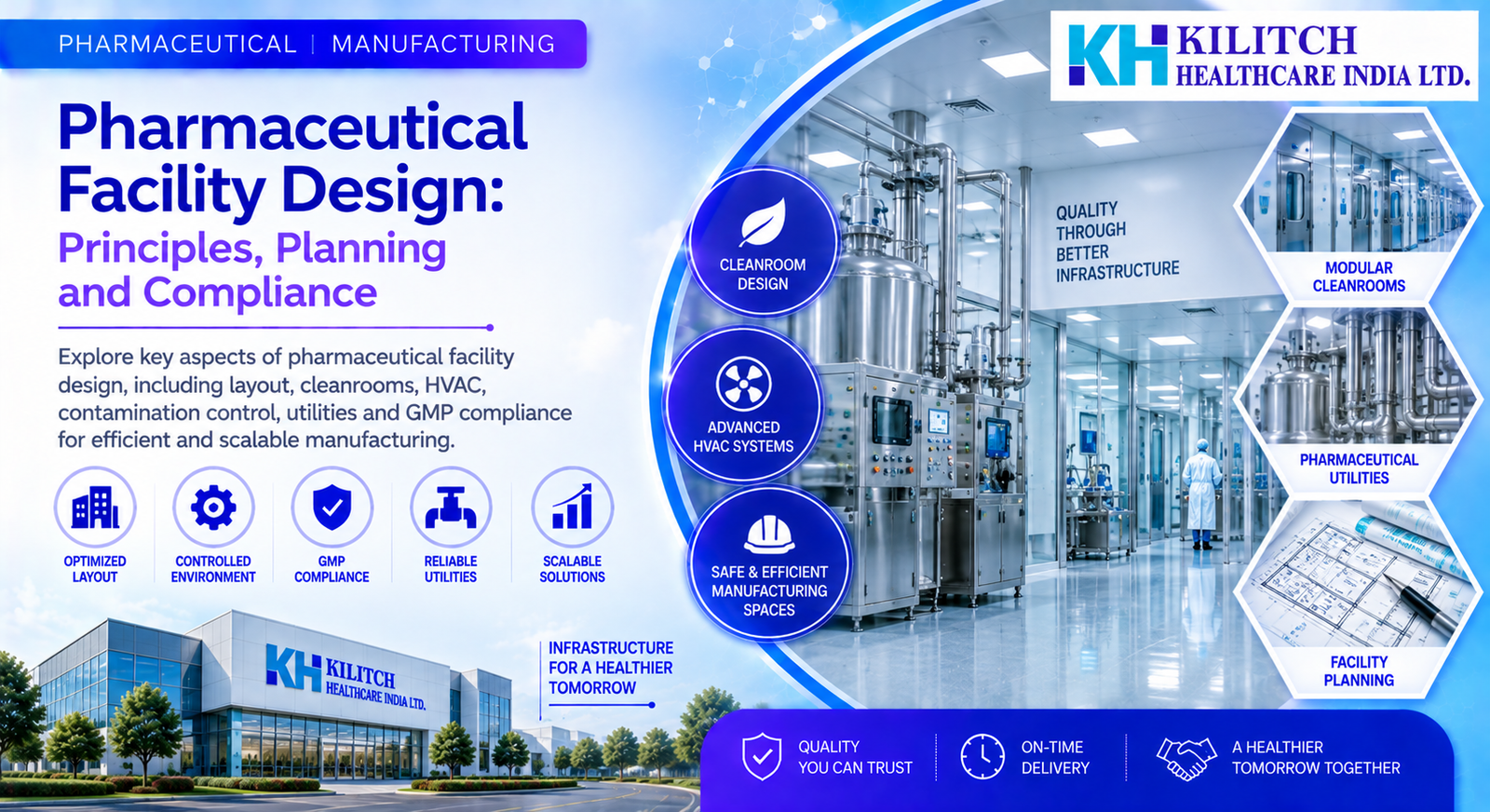
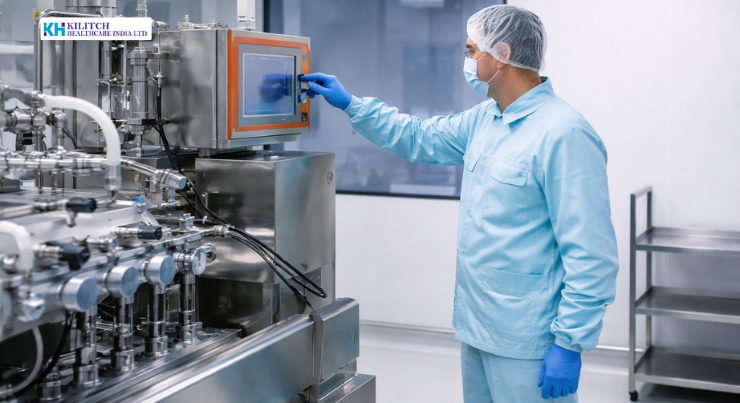
A professional Pharmaceutical manufacturing company must carefully manage every step of the production process. This includes selecting high-quality raw materials, maintaining equipment, training staff, and performing detailed quality checks. By following GMP guidelines, companies reduce the risk of contamination, product defects, and safety issues.
Many healthcare providers prefer to work with a reliable Pharmaceutical manufacturer in India that follows GMP standards because it ensures safe and effective medicines. Organizations like Kilitch Healthcare maintain strict manufacturing procedures to protect patient health and build trust with healthcare partners.
GMP certification is not just a legal requirement; it is also a sign of professionalism and responsibility. It shows that the company is committed to producing medicines that meet national and international safety standards.
Understanding WHO-GMP Certification and Global Standards
While GMP certification is important, WHO-GMP pharmaceutical manufacturer certification is even more valuable for companies that operate in international markets. The World Health Organization (WHO) sets global standards for pharmaceutical manufacturing to ensure consistent quality across different countries.
A certified WHO-GMP pharmaceutical manufacturer must follow strict quality systems, maintain detailed documentation, and undergo regular inspections by regulatory authorities. These inspections verify that the manufacturing facility meets international safety and hygiene standards.
A trusted Global pharmaceutical manufacturing company invests in modern technology and quality management systems to maintain WHO-GMP compliance. This certification helps companies export medicines to multiple countries and build strong relationships with global healthcare providers.
Companies like Kilitch Healthcare continuously upgrade their manufacturing facilities to meet international quality requirements. By maintaining WHO-GMP certification, they demonstrate their commitment to patient safety and reliable medicine supply.
Key Requirements for WHO-GMP Compliance
To achieve and maintain WHO-GMP certification, pharmaceutical companies must follow several important requirements.
Essential Compliance Standards
- Clean and well-maintained manufacturing facilities
- Proper staff training and hygiene practices
- Accurate production and quality records
- Regular equipment maintenance and validation
- Strict quality testing before product release
- Controlled storage and transportation systems
These practices help ensure that medicines produced by a Pharma manufacturing company remain safe, effective, and consistent.
How GMP Certification Supports Sterile Injectable Manufacturing
The importance of GMP standards becomes even greater in specialized manufacturing processes such as Sterile injectable manufacturing. Injectable medicines are delivered directly into the body, so they must be completely free from contamination.
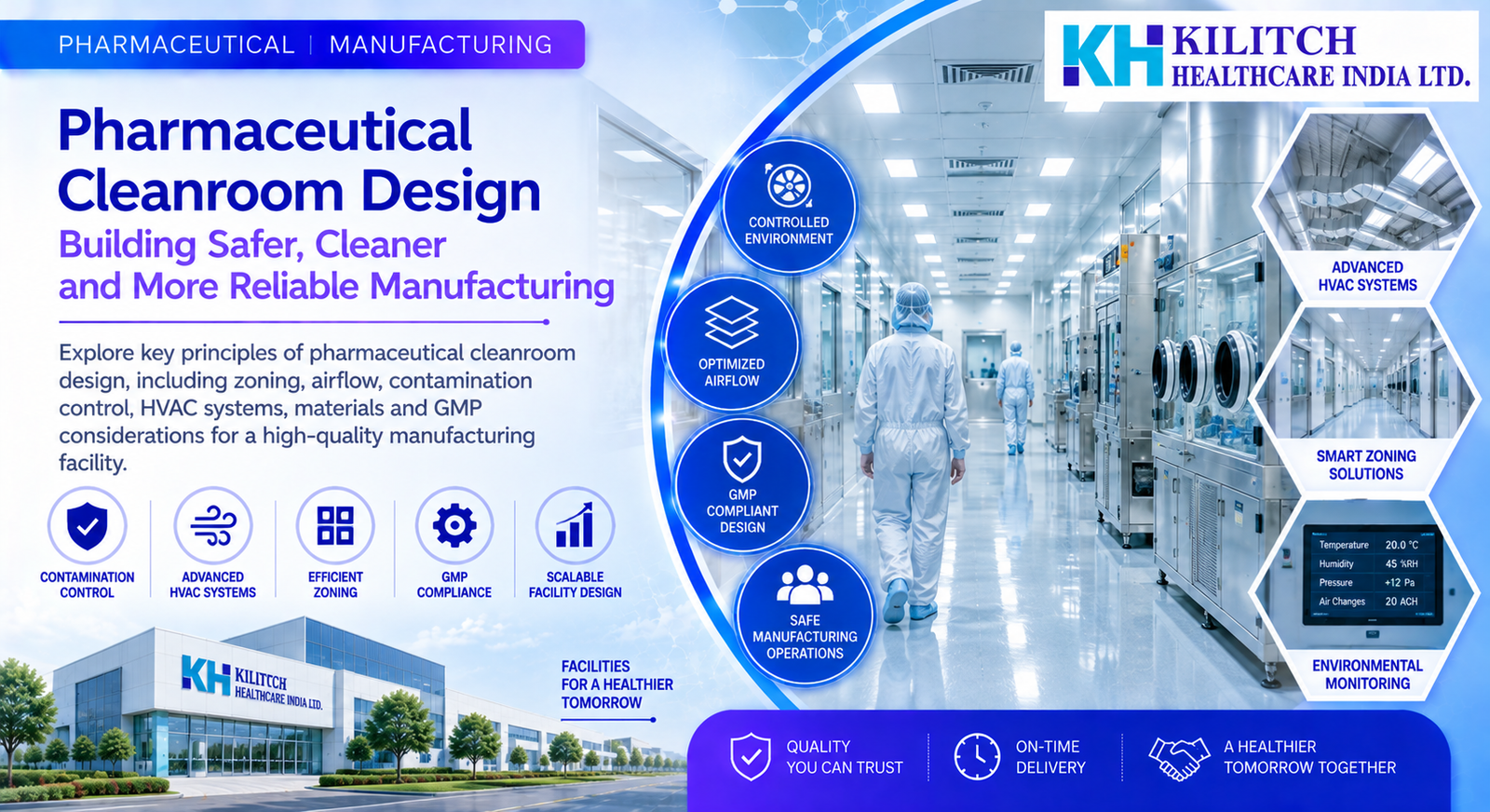
An experienced Injectable drug manufacturer follows strict sterile procedures to ensure product safety. A reliable Sterile injectable pharmaceutical company uses advanced clean room technology, air filtration systems, and automated equipment to maintain a controlled production environment.
Another important process in injectable production is Aseptic pharmaceutical manufacturing. This method involves producing medicines in sterile conditions to prevent contamination during the manufacturing process. It requires highly trained staff, specialized equipment, and continuous monitoring.
A skilled Lyophilized injectable manufacturer also follows GMP guidelines when producing freeze-dried medicines. This technology improves product stability and allows medicines to be stored for longer periods without losing effectiveness.
The Role of GMP in Ophthalmic Drug Manufacturing
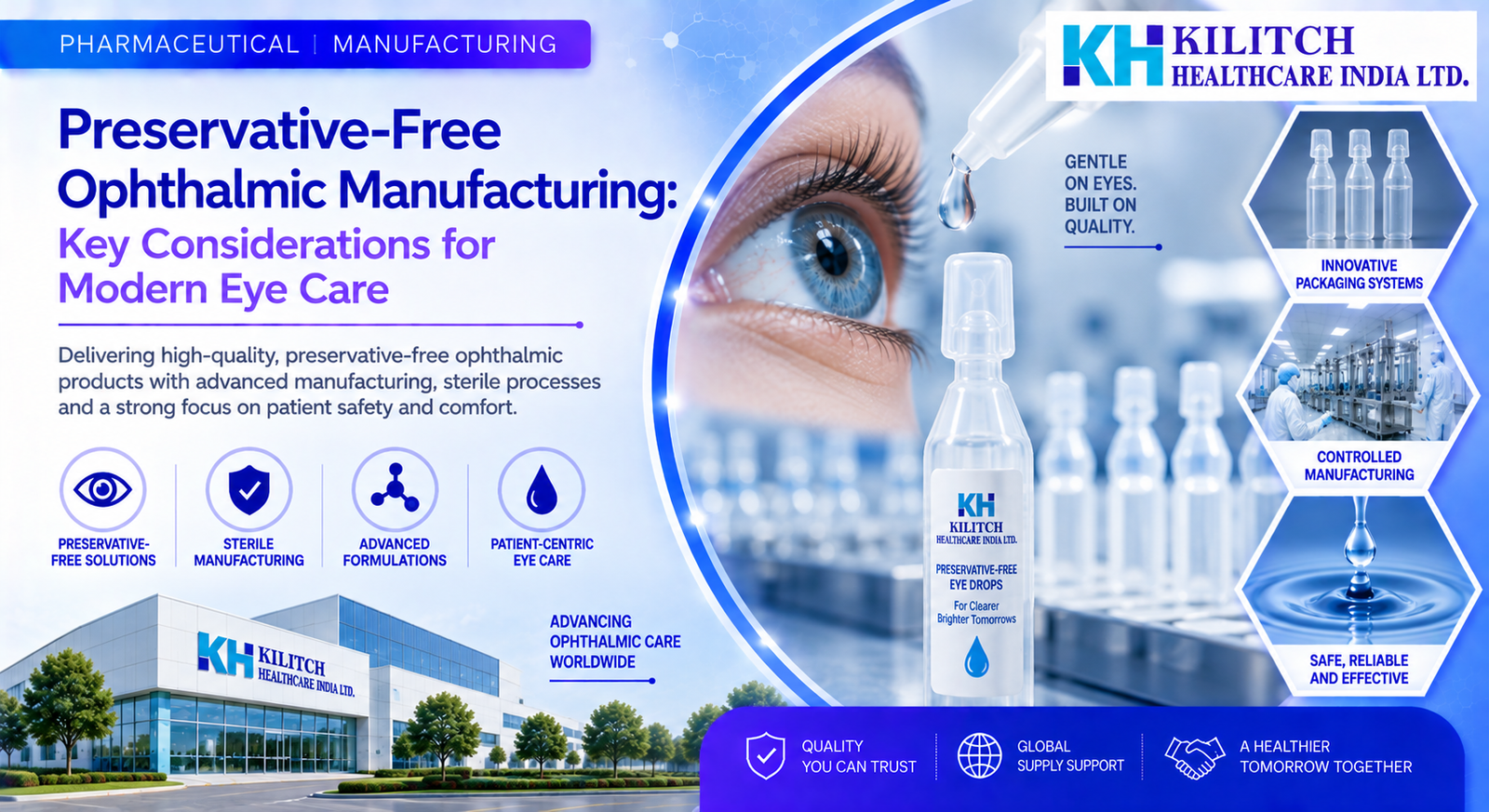
GMP standards are equally important in Ophthalmic drug manufacturing because eye care products require extremely high levels of purity. Even small contaminants can cause irritation or infection in the eyes.
A professional Ophthalmic pharmaceutical manufacturer produces sterile eye care medicines such as eye drops, gels, and solutions. A reliable Eye drops manufacturer ensures that products are prepared in clean environments and tested thoroughly before distribution.
Why Sterile Ophthalmic Manufacturing is Critical
Sterile ophthalmic manufacturing ensures that eye care medicines remain safe for patient use. A trusted Ophthalmic formulations manufacturer follows strict sterilization procedures and quality control systems to maintain product safety.
Modern manufacturing facilities use advanced filtration systems, automated filling machines, and controlled storage conditions to maintain sterile environments. Companies like Kilitch Healthcare invest in advanced technology to ensure consistent quality in ophthalmic products.
The Importance of Certification for Pharmaceutical Export and Global Trust
Certification plays a major role in international trade. Many countries only import medicines from certified manufacturers that meet global quality standards. A reliable Pharmaceutical exporter from India must maintain GMP and WHO-GMP certification to enter international markets.
An experienced Injectable exporter ensures that medicines are produced, stored, and transported according to strict quality requirements. A trusted Pharma export company also maintains proper documentation and compliance with international regulations.
A professional Global pharmaceutical manufacturing company builds long-term partnerships by delivering safe, high-quality medicines to healthcare providers worldwide. Certification helps companies demonstrate reliability, professionalism, and commitment to patient safety.
Conclusion
In conclusion, GMP and WHO-GMP certifications are essential for maintaining safety and quality in pharmaceutical production. A reliable Pharmaceutical manufacturing company that follows these standards can produce safe medicines, protect patient health, and build trust in global markets. Organizations like Kilitch Healthcare continue to invest in quality systems, modern technology, and skilled professionals to maintain high manufacturing standards. As healthcare demand continues to grow worldwide, working with a certified Global pharmaceutical manufacturing company will remain a key factor in ensuring safe and reliable medicine supply.