In the pharmaceutical industry, quality is not optional — it is a regulatory and ethical obligation. Every product manufactured must meet strict safety, efficacy, and consistency standards. This is where GMP compliance plays a critical role. Good Manufacturing Practices (GMP) form the foundation of modern pharmaceutical manufacturing, ensuring that medicines are consistently produced and controlled according to international quality standards.
For a trusted pharmaceutical manufacturing company like Kilitch Healthcare, GMP compliance is not merely a regulatory requirement but a core operational principle that safeguards patient health and strengthens global credibility.
Understanding GMP in Pharmaceutical Manufacturing
Good Manufacturing Practices are comprehensive guidelines that govern every aspect of pharmaceutical production, including:
- Facility design and infrastructure
- Equipment validation
- Raw material sourcing
- Documentation and record keeping
- Personnel training
- Quality control systems
GMP ensures that products are manufactured in controlled environments with validated processes, minimizing risks such as contamination, mix-ups, and errors.
In segments like sterile injectable manufacturing and ophthalmic drug manufacturing, GMP compliance becomes even more critical because these products are administered directly into the bloodstream or eye, where sterility is essential.
The Importance of GMP Compliance
1. Ensuring Patient Safety
Medicines must be free from contamination and manufactured with precision. GMP protocols reduce microbial, chemical, and cross-contamination risks.
2. Maintaining Product Consistency
Consistency in formulation, dosage, and packaging ensures therapeutic reliability across batches.
3. Regulatory Approvals
Pharmaceutical companies seeking export approvals must demonstrate strict adherence to GMP standards. Regulatory authorities evaluate manufacturing facilities, documentation, and validation protocols before granting certifications.
4. Building Global Trust
WHO-GMP certified pharmaceutical manufacturers gain stronger credibility in international markets, especially in regulated and semi-regulated regions.
Key Components of GMP-Compliant Manufacturing
Infrastructure & Cleanroom Design
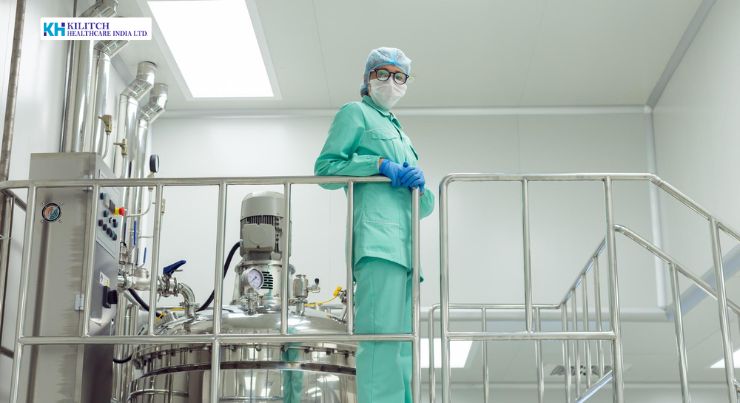
Advanced pharmaceutical manufacturing facilities operate under controlled temperature, humidity, and air filtration systems. HEPA filters and environmental monitoring systems help maintain sterility in aseptic processing areas.
Validation & Qualification
Equipment and production processes undergo rigorous validation to ensure consistent performance. In aseptic pharmaceutical manufacturing, sterilization cycles and filling operations are thoroughly validated.
Documentation & Traceability
Comprehensive documentation ensures that every batch can be traced back to raw material sources and production steps. This traceability is essential for audits and regulatory inspections.
Quality Control Testing
Each batch undergoes microbial testing, potency analysis, stability studies, and packaging integrity checks before release.
GMP in Sterile Injectable & Ophthalmic Manufacturing
In high-risk dosage forms like sterile injectables and ophthalmic solutions, GMP compliance includes:
- Aseptic processing validation
- Media fill tests
- Sterility assurance testing
- Particulate matter analysis
- Endotoxin testing
These stringent measures ensure that products meet international safety benchmarks.
At Kilitch Healthcare, strict GMP compliance is embedded across manufacturing operations, supporting the production of sterile injectable pharmaceuticals and ophthalmic formulations that align with global regulatory standards.
Technology & Continuous Improvement
Modern pharma manufacturing companies leverage digital monitoring systems, automated filling lines, and real-time environmental controls to enhance GMP adherence. Continuous training and internal audits further strengthen quality systems.
By integrating advanced infrastructure with regulatory expertise, Kilitch Healthcare reinforces its position as a GMP-certified pharmaceutical manufacturer capable of supporting global healthcare demands.
Conclusion
GMP compliance is the backbone of pharmaceutical quality and regulatory success. It ensures patient safety, product consistency, and international market acceptance. In specialized segments such as sterile injectable manufacturing and ophthalmic drug production, adherence to GMP standards is indispensable.Through validated processes, advanced infrastructure, and comprehensive quality assurance systems, Kilitch Healthcare demonstrates its commitment to excellence in pharmaceutical manufacturing. In a highly regulated global environment, GMP compliance is not just about meeting standards – it is about delivering trust.