Sterile injectables are among the most sensitive and critical pharmaceutical dosage forms. Because these products are administered directly into the bloodstream or tissues, maintaining sterility throughout production is non-negotiable. This is where aseptic processing in sterile injectable manufacturing becomes essential.
For any pharmaceutical manufacturing company operating in the sterile segment, maintaining contamination-free environments and validated processes is fundamental to ensuring patient safety and regulatory compliance.
What Is Aseptic Processing?
Aseptic processing refers to the method by which sterile drug products are manufactured in a controlled environment to prevent microbial contamination. Unlike terminal sterilization, aseptic pharmaceutical manufacturing requires that both the product and packaging components are sterilized separately and then combined under sterile conditions.
This process is widely used in:
- Sterile injectable manufacturing
- Ophthalmic drug manufacturing
- Biologic drug production
- Lyophilized injectable manufacturing
Because injectable products bypass the body’s natural defenses, even minor contamination can pose serious health risks.
Key Components of Aseptic Pharmaceutical Manufacturing
1. Cleanroom Infrastructure
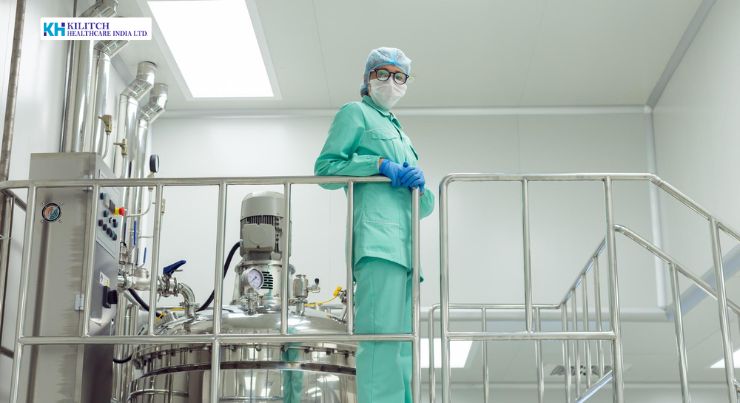
Advanced cleanroom facilities are essential for maintaining sterility. HEPA filtration systems control airborne particles, while controlled temperature and humidity prevent microbial growth.
2. Sterilization of Equipment and Materials
All equipment, vials, stoppers, and raw materials must undergo validated sterilization processes before entering the aseptic area.
3. Environmental Monitoring
Continuous monitoring of air quality, pressure differentials, and microbial levels ensures compliance with GMP standards.
4. Automated Filling Lines
Minimizing human intervention reduces contamination risk. Modern sterile injectable manufacturing facilities use automated systems for precision filling and sealing.
Why Aseptic Processing Is Critical in Injectable Drug Manufacturing
The demand for injectable drug manufacturing is increasing globally due to rising cases of chronic diseases and growth in biologics. However, with this demand comes strict regulatory oversight.
Aseptic processing ensures:
- Elimination of microbial contamination
- Batch-to-batch consistency
- Compliance with international GMP guidelines
- Reduced product recalls and rejections
Pharmaceutical companies that maintain strong aseptic protocols gain competitive advantage in export markets.
Regulatory Requirements & Compliance
Regulatory authorities require extensive validation for aseptic pharmaceutical manufacturing, including:
- Media fill simulations
- Sterility assurance testing
- Endotoxin testing
- Environmental validation
- Documentation and traceability
Compliance with these requirements ensures global acceptance and regulatory approvals.
At Kilitch Healthcare, aseptic processing protocols are integrated into sterile injectable manufacturing operations to align with international GMP compliance and quality assurance standards. Through validated sterilization cycles and controlled manufacturing environments, the company supports safe and effective pharmaceutical production.
Technological Advancements in Aseptic Manufacturing
Innovation continues to improve sterile production efficiency:
- Isolator technology to minimize contamination
- Restricted Access Barrier Systems (RABS)
- Real-time environmental monitoring
- Automated inspection systems
These advancements enhance safety, precision, and operational efficiency in pharmaceutical manufacturing.
Conclusion
Aseptic processing is the foundation of safe sterile injectable manufacturing. By combining advanced infrastructure, automated systems, and strict GMP compliance, pharmaceutical manufacturers can deliver contamination-free products that meet global healthcare standards.With a commitment to regulatory excellence and precision manufacturing, Kilitch Healthcare reinforces its capability in sterile injectable pharmaceutical manufacturing, supporting hospitals, distributors, and international healthcare markets with reliable production solutions.