Choosing the right container is one of the most important decisions in injectable product development. The format affects sterility, stability, dosing accuracy, cost, ease of use and even how a product is perceived by doctors and nurses. For any injectable drug manufacturer, getting this decision right early saves time and money later.
The three most common formats are ampoules, vials and prefilled syringes. Each has clear strengths and limitations. This guide compares them side by side to help brand owners make an informed choice.
Ampoules
What Is an Ampoule?
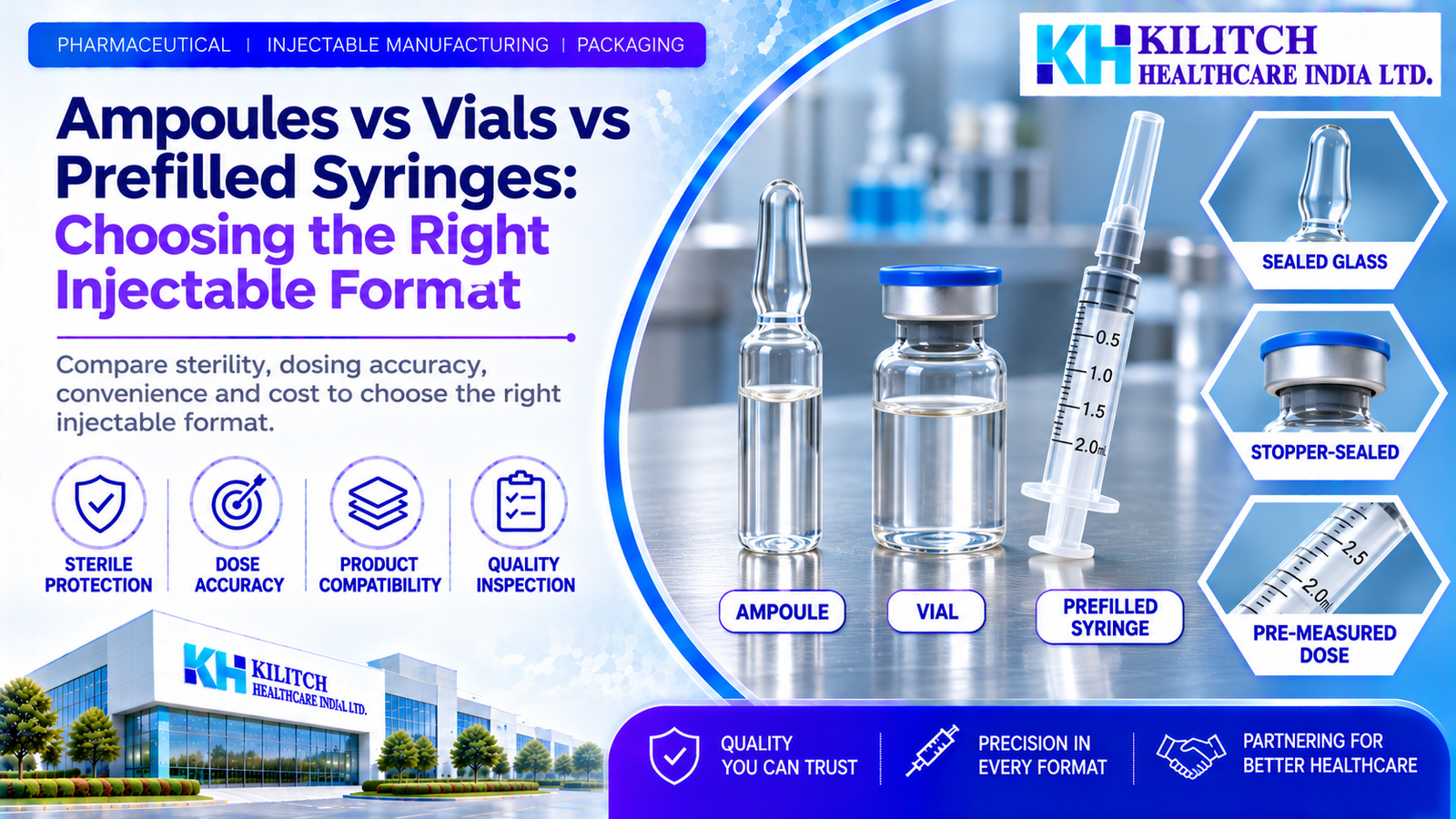
An ampoule is a small, sealed glass container, usually with a narrow neck that is snapped open before use. Ampoules are completely sealed by melting the glass, which gives an excellent barrier against air and contamination.
Advantages
- Excellent protection. The fully sealed glass container offers a strong barrier.
- Cost-effective for many single-dose products.
- Simple design with no rubber stopper, so there is no risk of interaction with stopper materials.
Limitations
- Glass particles. Breaking the neck can release tiny glass fragments, so filter needles are often recommended.
- Single use only. Once opened, the contents must be used immediately.
- Handling risk. Snapping ampoules can cause small cuts if not done carefully.
Typical Uses
Ampoules are widely used for small-volume, single-dose injections such as vitamins, analgesics, anaesthetics and many emergency medicines.
Vials
What Is a Vial?
A vial is a glass or plastic container sealed with a rubber stopper and an aluminium cap. The medicine is drawn out using a needle and syringe.
Types of Vials
- Single-dose vials for one use
- Multi-dose vials that may be used several times and usually contain a preservative
- Vials for lyophilized products, where a powder is reconstituted before use
Advantages
- Versatile. Suitable for solutions, suspensions and freeze-dried powders.
- Multi-dose option for hospital settings.
- No glass breakage when opening.
- Ideal for lyophilized injectables, which need a container for both drying and reconstitution.
Limitations
- Stopper materials must be tested for compatibility
- Multi-dose vials carry contamination risk if not handled correctly
- Drawing up the dose takes time and introduces a chance of dosing errors
Learn more about lyophilized injectable manufacturing.
Prefilled Syringes
What Is a Prefilled Syringe?
A prefilled syringe comes ready to use, already containing a measured dose of medicine. The healthcare professional or patient simply removes the cap and injects.
Advantages
- Accurate dosing. Each syringe contains a precise, pre-measured dose.
- Speed and convenience, valuable in emergencies and busy hospital wards.
- Reduced contamination risk, as there is no need to transfer medicine from a container.
- Less waste, since manufacturers can reduce overfill.
- Supports self-injection at home for suitable treatments.
Limitations
- Higher packaging and manufacturing cost
- Requires specialised filling and inspection equipment
- Compatibility of syringe materials and lubricants must be carefully studied
Typical Uses
Prefilled syringes are popular for anticoagulants, vaccines, biologics and treatments that patients inject at home.
Side-by-Side Comparison
| Feature | Ampoule | Vial | Prefilled syringe |
| Material | Glass | Glass or plastic with stopper | Glass or plastic syringe |
| Doses | Single | Single or multi | Single |
| Suitable for powders | No | Yes | Limited |
| Preparation time | Moderate | Moderate to long | Very short |
| Dosing accuracy | Depends on user | Depends on user | High |
| Contamination risk | Low to moderate | Moderate | Low |
| Relative cost | Lower | Moderate | Higher |
| Best for | Small single doses | Hospitals, powders, multi-dose | Emergencies, home use, precise doses |
How to Choose the Right Format
Consider the Formulation
Freeze-dried products usually need vials. Liquids that react with rubber may suit ampoules. Sensitive biologics often benefit from prefilled syringes.
Consider the User
Hospitals may prefer multi-dose vials for efficiency. Emergency and home-use products benefit from the speed and simplicity of prefilled syringes.
Consider the Market
Pricing expectations, tender requirements and regulations vary between countries. Some markets favour lower-cost formats, while others expect ready-to-use presentations.
Consider Stability
Stability studies in the chosen container are essential. A product that is stable in a vial may behave differently in a syringe.
The Role of the Manufacturer
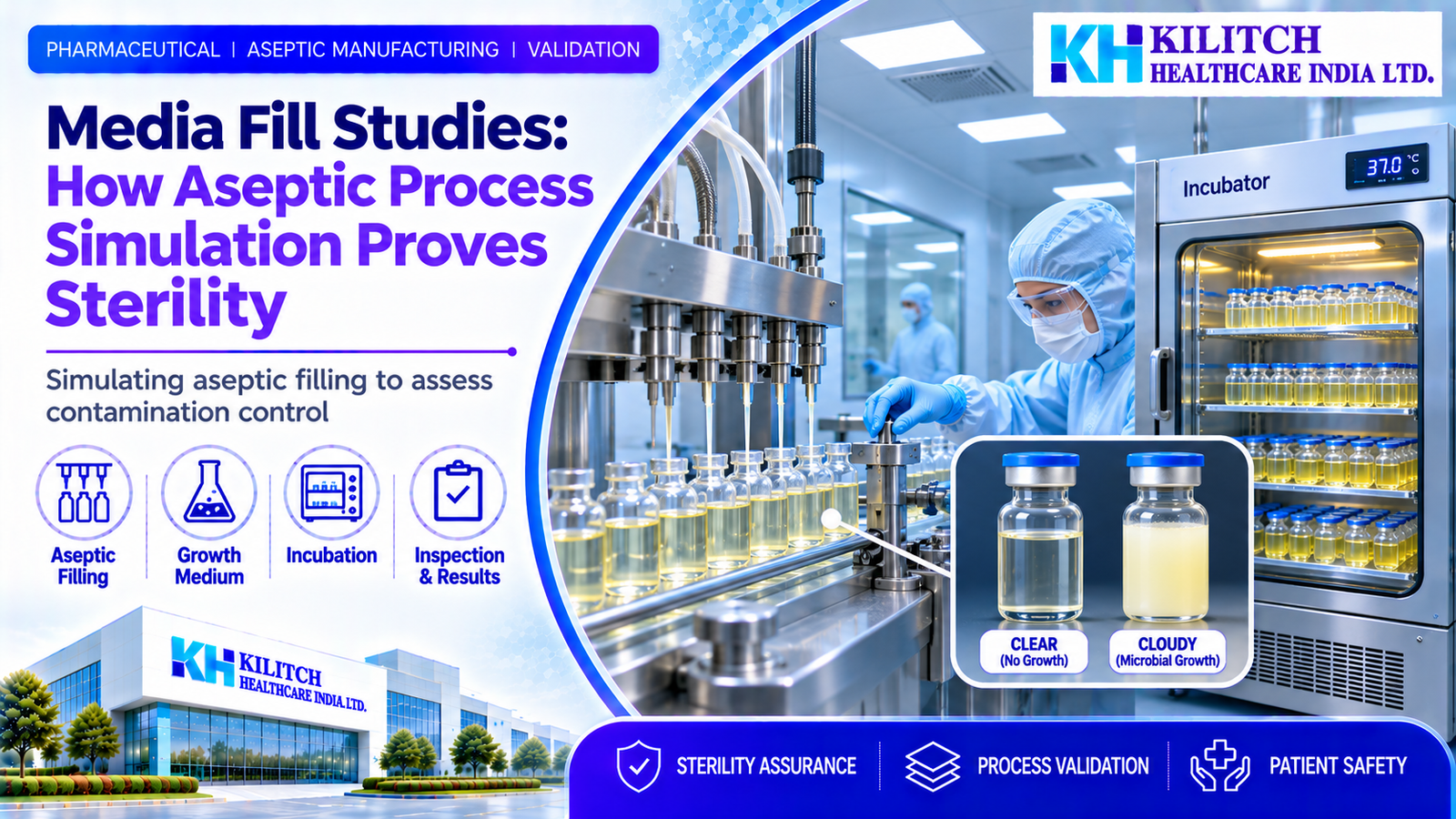
Each format needs dedicated equipment, validated sterile processes and specific inspection methods. An experienced injectable drug manufacturer can advise on the best container, run compatibility and stability studies, and scale production reliably. Read about sterile injectable filling and sterile injectable manufacturing quality standards.
Inspection and Quality Checks by Format
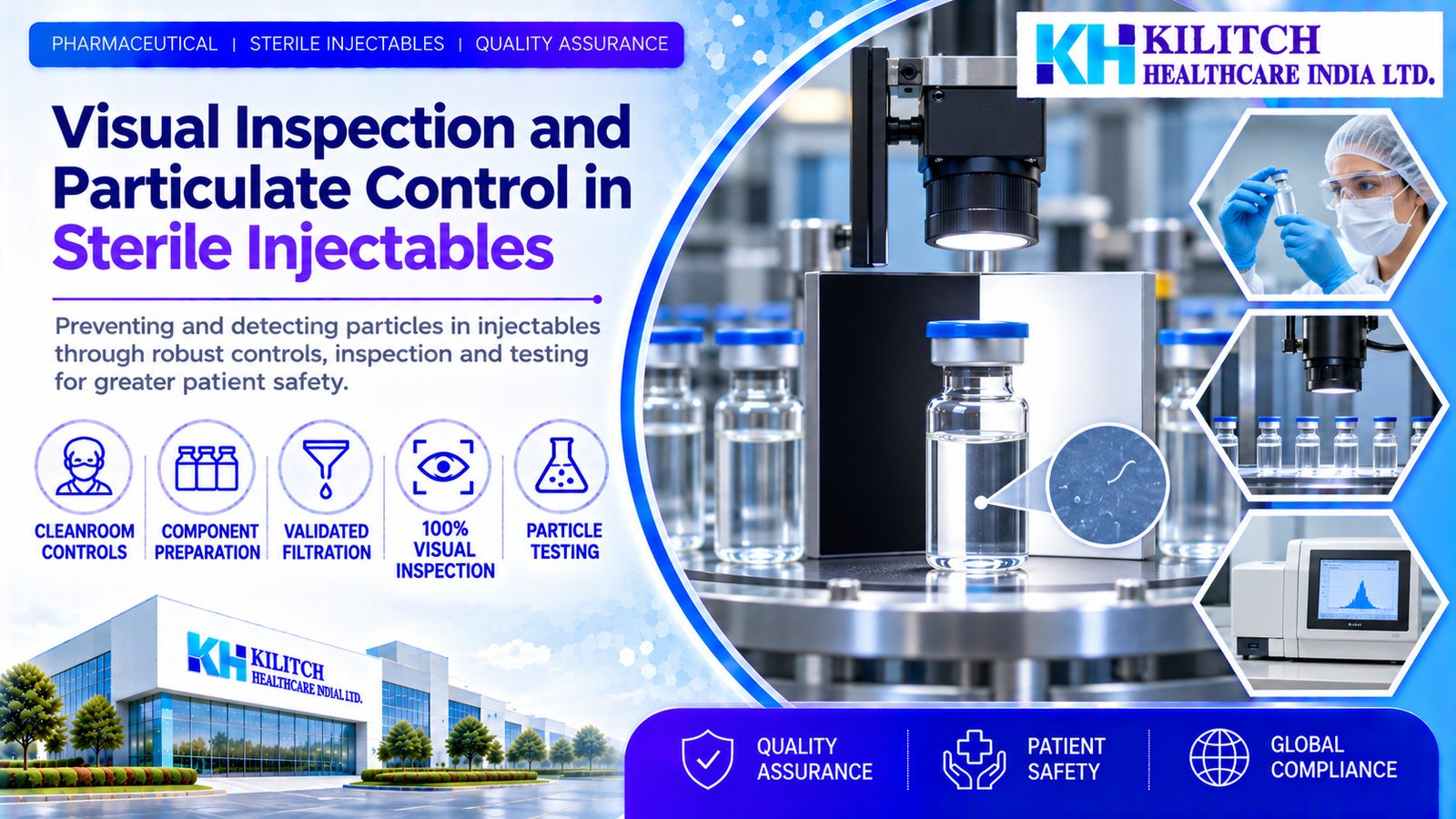
Every injectable container must be inspected for particles, cracks, fill levels and sealing defects. Ampoules are checked for glass defects and proper sealing at the tip. Vials are inspected for stopper placement, crimp quality and cosmetic defects. Prefilled syringes need checks for plunger position, needle shield integrity and air bubbles. Container closure integrity testing confirms that each format keeps the product sterile throughout its shelf life.
Regulatory and Market Trends
Healthcare systems around the world are moving towards ready-to-use presentations that save time and reduce medication errors. This has increased interest in prefilled syringes, especially for products used in emergencies or at home. At the same time, ampoules and vials remain essential for cost-sensitive markets, hospital supply and tenders. Many brand owners therefore offer the same medicine in more than one format to serve different customer groups.
Cost Considerations
When comparing formats, look beyond the price of the container. Consider the cost of overfill, wastage, preparation time for nurses, risk of dosing errors and storage space. A format that seems more expensive per unit may offer better overall value once these factors are included.
Planning a Format Change
Switching an existing product from vials or ampoules to prefilled syringes is not a simple packaging change. It usually needs new compatibility and stability studies, updated regulatory filings and new equipment validation. Planning these steps early, with your manufacturer’s technical team, helps avoid supply gaps and keeps the transition smooth for customers.
Supporting Healthcare Professionals
Whichever format you choose, clear instructions matter. Package leaflets, labels and training materials should explain how to open, prepare and administer the product safely. Good support materials reduce errors, build confidence among doctors and nurses, and strengthen your brand’s reputation in hospitals and clinics.
Frequently Asked Questions
Can the same medicine be supplied in different formats?
Yes. Many brand owners offer the same product in vials for hospitals and prefilled syringes for emergency or home use, after suitable stability and compatibility studies.
What is the main difference between an ampoule and a vial?
An ampoule is a sealed glass container opened by snapping the neck, while a vial has a rubber stopper and the medicine is drawn out with a needle.
Are prefilled syringes safer?
They reduce preparation steps and dosing errors, which can lower contamination and medication error risks.
Which format is best for freeze-dried injectables?
Vials are usually used, as the powder is dried in the vial and reconstituted before use.
Why are prefilled syringes more expensive?
They use more complex components and need specialised filling and inspection equipment.
Choose the Right Injectable Partner
Kilitch Healthcare has long-standing experience as an injectable drug manufacturer. Contact us to discuss which format suits your product.