Introduction: Understanding Contract Drug Manufacturing
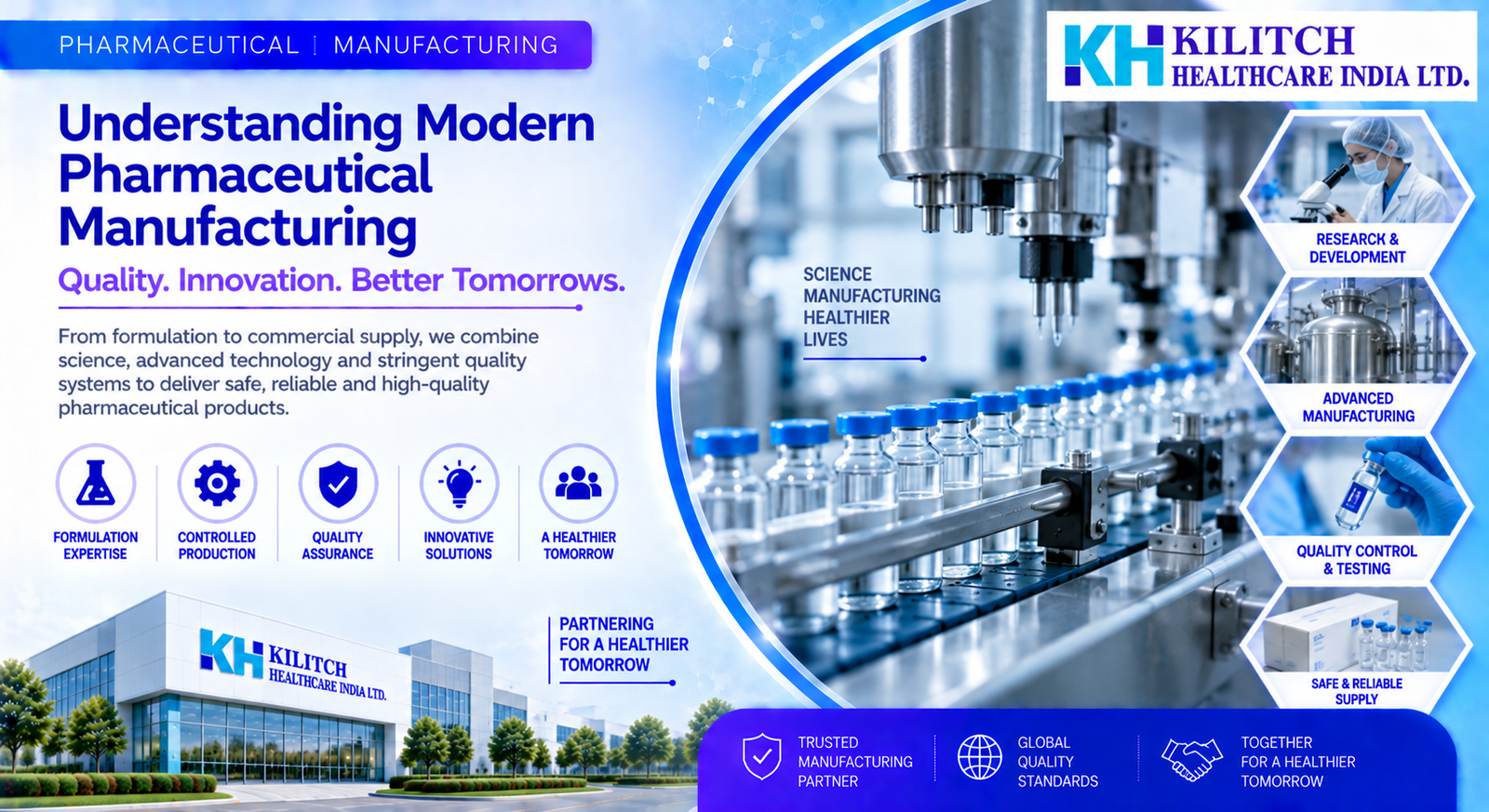
Developing a medicine and bringing it to market requires more than a validated formulation. Businesses also need suitable facilities, equipment, trained teams, quality systems, testing capabilities and a controlled route to commercial production. Contract drug manufacturing provides a model in which a specialized manufacturing partner produces healthcare products on behalf of another company, allowing the product owner to access established infrastructure and technical expertise without building every manufacturing capability internally.
The scope of a contract relationship can vary. Some projects focus mainly on commercial production, while others involve development support, scale-up, technology transfer, packaging and commercialization. Choosing the right partner therefore starts with understanding the product, its manufacturing requirements and the level of support needed. Companies evaluating contract drug manufacturing can use these factors to compare capabilities and establish a manufacturing pathway suited to their product and market objectives.
What Is Contract Drug Manufacturing?
Contract drug manufacturing is a business arrangement in which a manufacturer produces a drug or healthcare product for a client under agreed specifications and quality requirements. The client may own the formulation, brand or product rights, while the manufacturing partner provides the production infrastructure and operational expertise needed to make the product.
The arrangement can be useful for companies that want to expand production without investing immediately in new facilities or specialized equipment. It can also support businesses entering new dosage forms or markets where specialized manufacturing knowledge is required. The exact responsibilities are normally defined through technical, quality and commercial agreements.
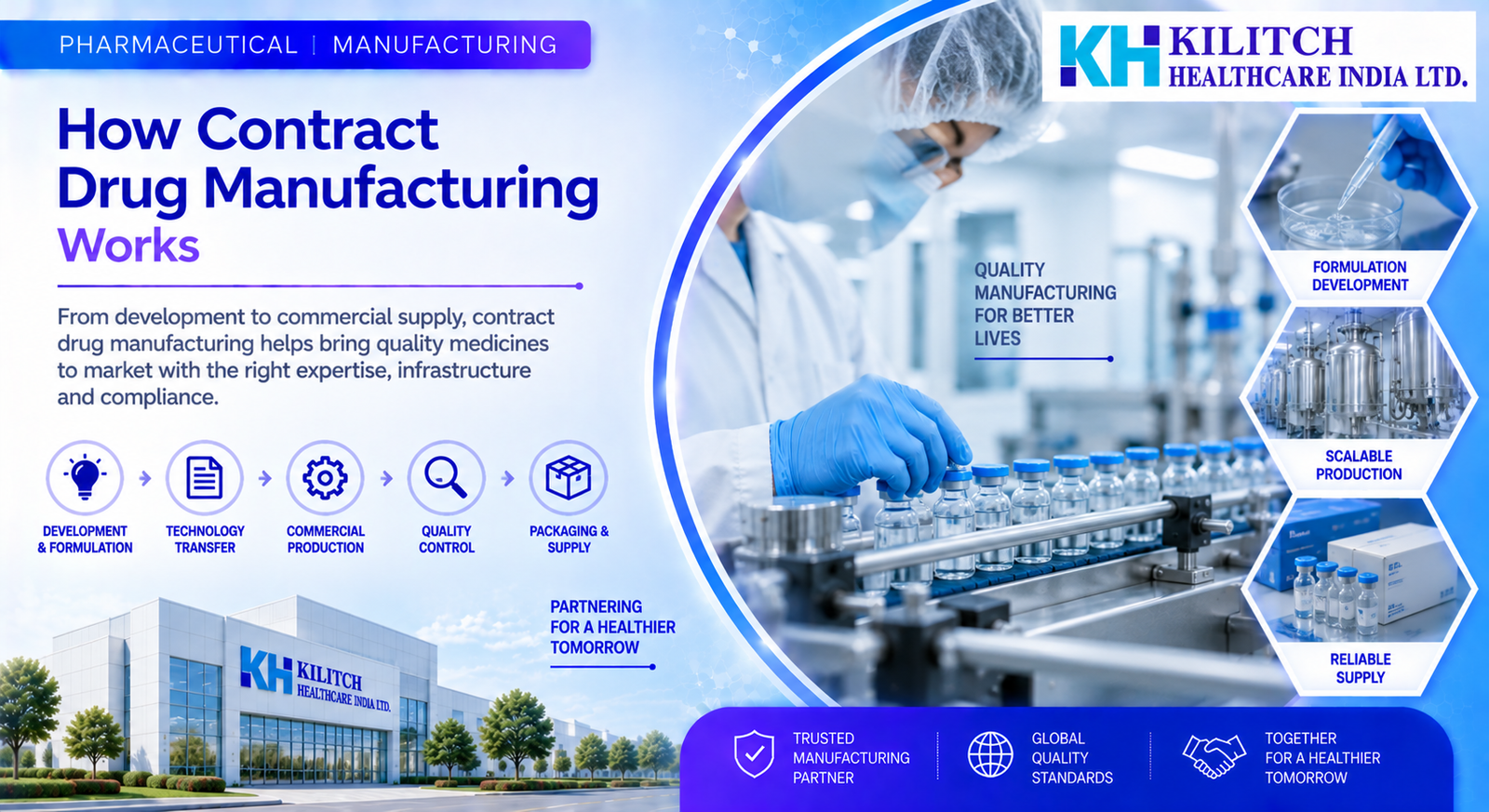
Key Stages in Contract Drug Manufacturing
1. Product and Manufacturing Assessment
Before production begins, the manufacturer and client need to understand the product’s formulation, dosage form, specifications, packaging requirements, expected volumes and applicable regulatory expectations. This assessment helps determine whether the available facility, equipment and quality systems are appropriate for the project.
2. Formulation Development and Process Optimization
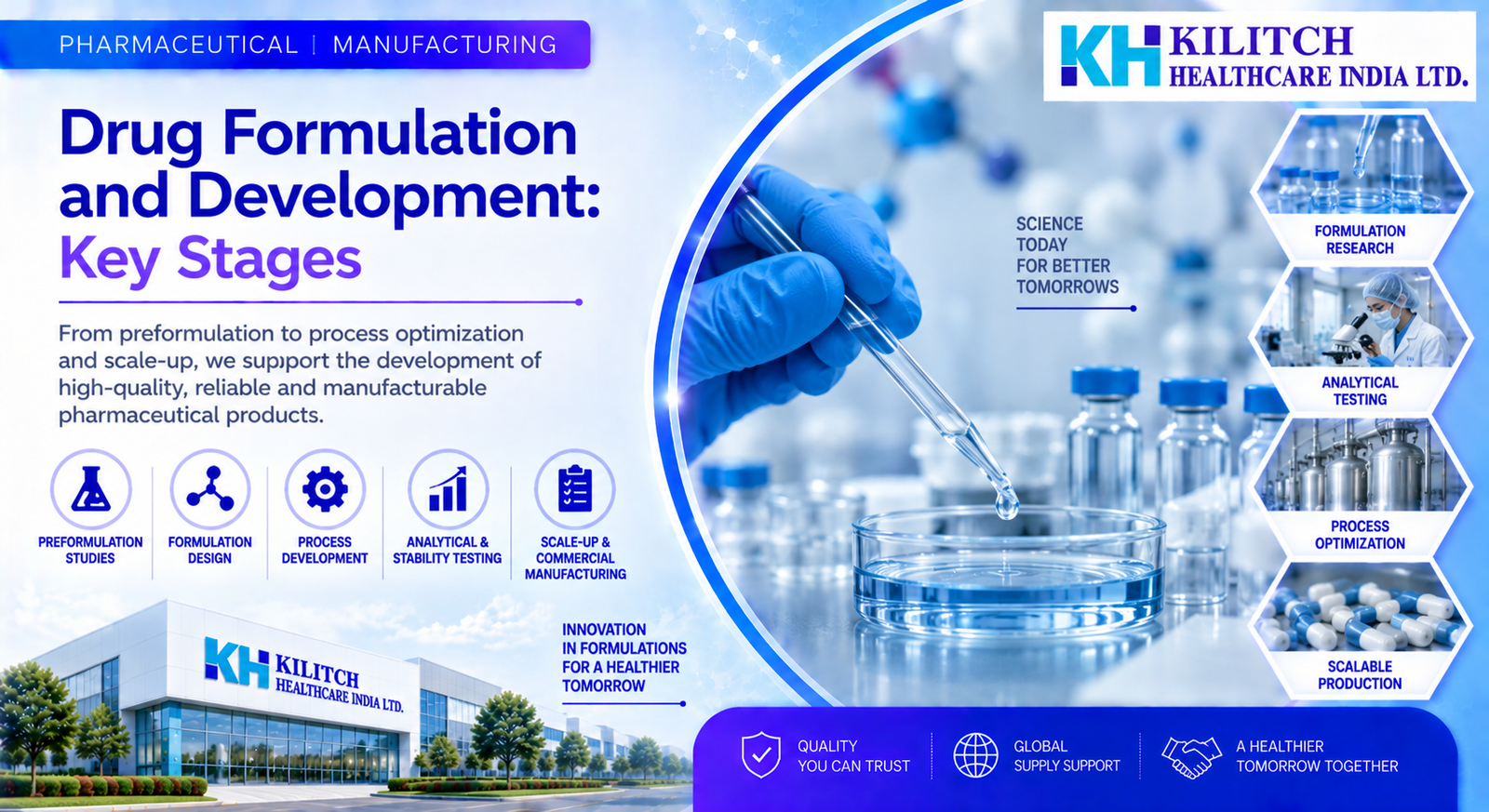
Some contract projects begin with a formulation that is already established, while others require development or optimization support. Development teams may assess ingredients, process parameters, stability considerations and manufacturing conditions. The objective is to create a process that can be transferred into controlled production while preserving the intended product characteristics.
3. Technology Transfer and Scale-Up
Technology transfer is an important bridge between development and commercial manufacturing. Product knowledge, process instructions, analytical methods and critical parameters need to be communicated and documented. Scale-up then translates the process into larger production quantities while maintaining appropriate controls. A structured transfer can help identify equipment differences, process risks and documentation requirements before routine manufacturing begins.
4. Commercial Production
Once the process is established, production takes place under defined procedures and quality controls. Raw materials, equipment, environmental conditions and process parameters are monitored according to the product and manufacturing requirements. Batch records and traceability systems support consistent execution and provide a documented history of production.
Quality Control in Contract Manufacturing
Quality Assurance
Quality assurance provides the framework that keeps manufacturing activities controlled and documented. It can include standard operating procedures, training, validation, change control, deviation management, corrective and preventive actions, documentation review and batch release processes. These systems help ensure that manufacturing remains aligned with approved requirements.
Quality Control Testing
Quality control laboratories may evaluate raw materials, in-process samples and finished products against established specifications. Testing requirements depend on the dosage form and product characteristics. Consistent analytical procedures and accurate documentation are important because they support decisions about product quality and release.
Regulatory and Documentation Requirements
Contract manufacturing also involves significant documentation. Specifications, manufacturing instructions, test methods, batch records and quality agreements need to remain controlled and traceable. For companies supplying regulated markets, the manufacturer’s regulatory experience and documentation practices can be an important part of partner evaluation.
Specialized Manufacturing Capabilities
Not every contract manufacturer supports every dosage form. Sterile injectables, ophthalmic products, nasal formulations and prefilled syringes can require specialized facilities, equipment and environmental controls. A manufacturer’s technical capabilities should therefore be matched to the product rather than assessed only by overall production capacity.
Kilitch Healthcare works across several specialized healthcare categories and describes capabilities involving sterile injectables, ophthalmic formulations, nasal formulations and prefilled syringes. Businesses researching Kilitch Drugs can consider these categories when assessing whether a potential manufacturing partner has experience relevant to their intended product.
Technology can also differentiate manufacturing capabilities. Specialized processes such as preservative-free delivery, sterile applications and advanced filling or packaging technologies may be relevant for particular products. For clients considering Kilitch Drugs and related healthcare manufacturing requirements, understanding the technology behind production can be as important as understanding the facility itself.
Benefits of Working With a Contract Manufacturer
Access to Established Infrastructure
Using an established manufacturer can give businesses access to production facilities, trained personnel, equipment and quality systems without requiring the same level of internal capital investment. This can be particularly relevant when a product requires specialized manufacturing infrastructure.
Flexible Production and Scalability
Contract manufacturing can also support changes in production volume. A product may move from initial commercial quantities to larger batches as demand develops. Manufacturers with appropriate capacity planning and scalable processes can help clients manage this transition while maintaining defined quality standards.
Technical Collaboration
A contract relationship can extend beyond manufacturing. Development, technology transfer, process optimization, quality and supply teams may need to collaborate throughout the product lifecycle. Clear communication and defined responsibilities can make this coordination more efficient.
How to Choose a Contract Drug Manufacturing Partner
Assess Product-Specific Expertise
Start by checking whether the manufacturer has relevant experience with the dosage form, manufacturing environment and product category. A partner’s expertise should correspond to the actual technical requirements of the project.
Review Quality Systems
Evaluate quality assurance, testing, validation, documentation and regulatory practices. Companies should understand how deviations, changes, batch records and product release are managed before entering a long-term manufacturing relationship.
Consider Long-Term Supply Requirements
Manufacturing should be considered as part of the product lifecycle rather than a single production event. Capacity, lead times, packaging, technology transfer and future scale-up should all be discussed early so that the relationship can support changing commercial needs.
Conclusion: Building a Strong Manufacturing Partnership
Contract drug manufacturing connects product owners with specialized production capabilities, allowing businesses to access manufacturing infrastructure and technical expertise according to their needs. The process can involve development, technology transfer, scale-up, commercial production, testing, packaging and ongoing supply support.
The right partnership depends on product requirements, quality expectations, specialized capabilities, scalability and communication. Businesses can learn more about contract drug manufacturing services and compare available capabilities before defining the technical and commercial requirements of a manufacturing project.