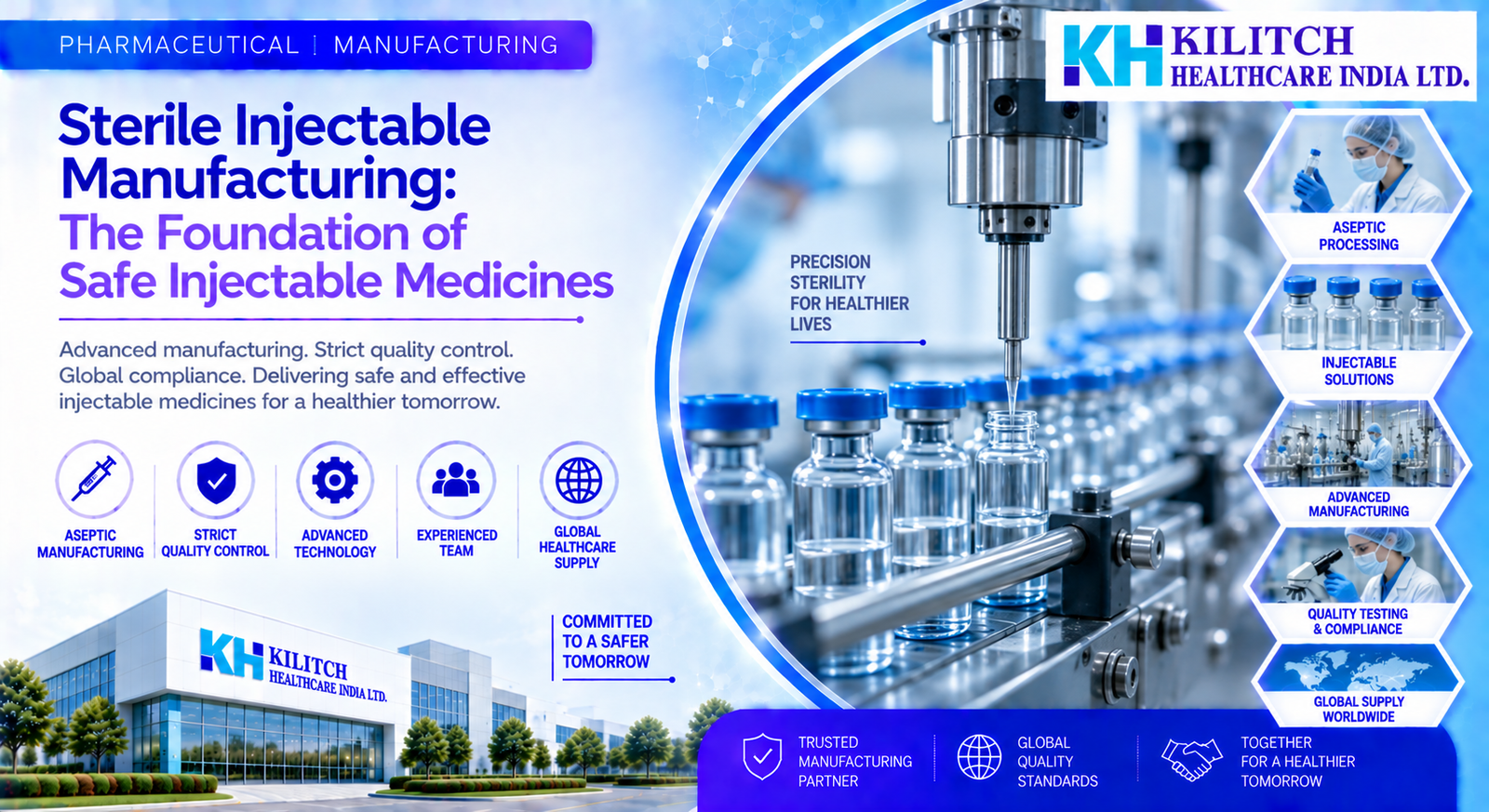
Injectable medicines are among the most critical pharmaceutical products used in modern healthcare. From emergency treatments and antibiotics to vaccines and life-saving therapies, injectable products play an essential role in patient care across hospitals, clinics, and healthcare facilities worldwide. Because these medicines are administered directly into the body, maintaining the highest levels of quality and sterility is essential. This is where sterile injectable manufacturing becomes a cornerstone of pharmaceutical production.
As healthcare systems continue to evolve and demand for advanced therapies grows, manufacturers are investing heavily in modern infrastructure, quality systems, and regulatory compliance to ensure the production of safe and effective injectable medicines.
Understanding Sterile Injectable Manufacturing
Sterile injectable manufacturing refers to the production of injectable pharmaceutical products in highly controlled environments designed to eliminate contamination risks. Unlike many other dosage forms, injectable medicines bypass the body’s natural defense mechanisms, making sterility a critical requirement.
The manufacturing process involves multiple stages, including formulation development, filtration, filling, sealing, inspection, packaging, and quality testing. Every step must be carefully monitored to maintain product integrity and patient safety.
A reliable sterile injectable pharmaceutical company follows strict international guidelines and utilizes advanced technologies to ensure that products meet the highest quality standards.
The Importance of Aseptic Pharmaceutical Manufacturing
One of the most critical components of injectable production is aseptic pharmaceutical manufacturing. Aseptic processing ensures that products remain sterile throughout the manufacturing process by controlling environmental conditions and minimizing contamination risks.
Modern aseptic manufacturing facilities utilize:
- Advanced cleanroom technology
- High-efficiency air filtration systems
- Automated filling equipment
- Environmental monitoring systems
- Strict personnel hygiene protocols
These measures help ensure that injectable products remain safe, effective, and compliant with global regulatory requirements.
Why Sterility Matters in Injectable Medicines
The consequences of contamination in injectable medicines can be serious. Even small amounts of microbial contamination may compromise patient safety and reduce treatment effectiveness.
To prevent these risks, manufacturers conduct extensive testing throughout production. This includes sterility testing, particulate matter analysis, container integrity verification, and quality assurance inspections.
Organizations operating as a WHO GMP pharmaceutical manufacturer maintain comprehensive quality systems designed to identify and eliminate potential risks before products reach healthcare providers and patients.
Types of Sterile Injectable Products
The injectable pharmaceutical sector includes a wide variety of dosage forms and therapeutic categories.
Common sterile injectable products include:
- Liquid injectables
- Dry powder injectables
- Lyophilized formulations
- Vaccines
- Antibiotics
- Critical care medicines
- Oncology therapies
A specialized injectable drug manufacturer must possess the technical expertise and manufacturing capabilities necessary to produce these products while maintaining strict quality standards.
The Growing Demand for Lyophilized Injectables
One of the fastest-growing segments within injectable manufacturing is freeze-dried pharmaceuticals. A specialized lyophilized injectable manufacturer utilizes advanced freeze-drying technology to improve product stability and extend shelf life.
Lyophilized products are particularly valuable for temperature-sensitive medicines because they offer:
- Enhanced stability
- Longer shelf life
- Reduced transportation challenges
- Improved storage flexibility
As pharmaceutical innovation continues to advance, demand for lyophilized injectable products is expected to increase across global healthcare markets.
Quality Standards and Regulatory Compliance
Quality assurance is the foundation of successful sterile manufacturing operations. A GMP certified pharmaceutical company must implement robust quality management systems that cover every aspect of production.
These systems typically include:
- Raw material qualification
- Process validation
- Equipment calibration
- Environmental monitoring
- Batch record review
- Finished product testing
Compliance with international Good Manufacturing Practices helps ensure product consistency while supporting regulatory approvals in multiple markets.
Technology Transforming Injectable Manufacturing
Technological innovation continues to reshape the pharmaceutical industry. Advanced automation, digital monitoring systems, and modern cleanroom technologies have significantly improved manufacturing efficiency and quality control.
Many modern facilities now utilize automated filling lines and integrated inspection systems that reduce human intervention and enhance production accuracy. These advancements help manufacturers meet increasing global demand while maintaining high standards of quality and safety.
Companies that invest in advanced manufacturing technologies are better positioned to compete in today’s evolving pharmaceutical landscape.
India’s Role in Global Injectable Manufacturing
India has become a major center for pharmaceutical production and exports. As a leading pharmaceutical manufacturer in India, the country supplies injectable medicines to healthcare systems across numerous international markets.
Indian manufacturers have earned global recognition due to their strong quality systems, technical expertise, and cost-effective production capabilities. Their ability to meet international regulatory requirements has strengthened India’s reputation as a reliable source of pharmaceutical products.
Kilitch Drugs is among the organizations contributing to this growth through its focus on manufacturing excellence, quality compliance, and international healthcare support.
Injectable Exports and Global Healthcare Access
The demand for injectable medicines extends far beyond domestic markets. As a trusted injectable exporter, pharmaceutical manufacturers help improve healthcare accessibility by supplying essential medicines to countries worldwide.
Export-focused organizations must navigate complex regulatory environments while maintaining consistent product quality across multiple regions. Success in global markets requires strong quality systems, regulatory expertise, and efficient supply chain management.
The continued expansion of pharmaceutical exports contributes significantly to healthcare development in both emerging and developed economies.
The Future of Sterile Injectable Manufacturing
The future of sterile injectable manufacturing will be shaped by innovation, automation, and increasing healthcare demands. Advances in pharmaceutical technology are expected to improve production efficiency while enhancing product quality and patient safety.
Manufacturers will continue to invest in modern infrastructure, digital quality systems, and advanced sterile production technologies to remain competitive in global markets.
As healthcare providers seek more sophisticated treatment options, the importance of sterile injectable manufacturing will continue to grow.
Conclusion
Sterile injectable manufacturing remains one of the most important segments of the pharmaceutical industry. Through advanced aseptic pharmaceutical manufacturing, strict quality controls, and regulatory compliance, manufacturers ensure that injectable medicines meet the highest standards of safety and effectiveness.
From liquid injectables to lyophilized products, manufacturers play a critical role in supporting healthcare systems worldwide. Companies such as Kilitch Drugs demonstrate the value of quality-focused manufacturing, innovation, and global compliance in delivering safe and reliable pharmaceutical solutions.
As demand for injectable medicines continues to increase, the industry will remain at the forefront of healthcare innovation, helping improve patient outcomes across the globe.