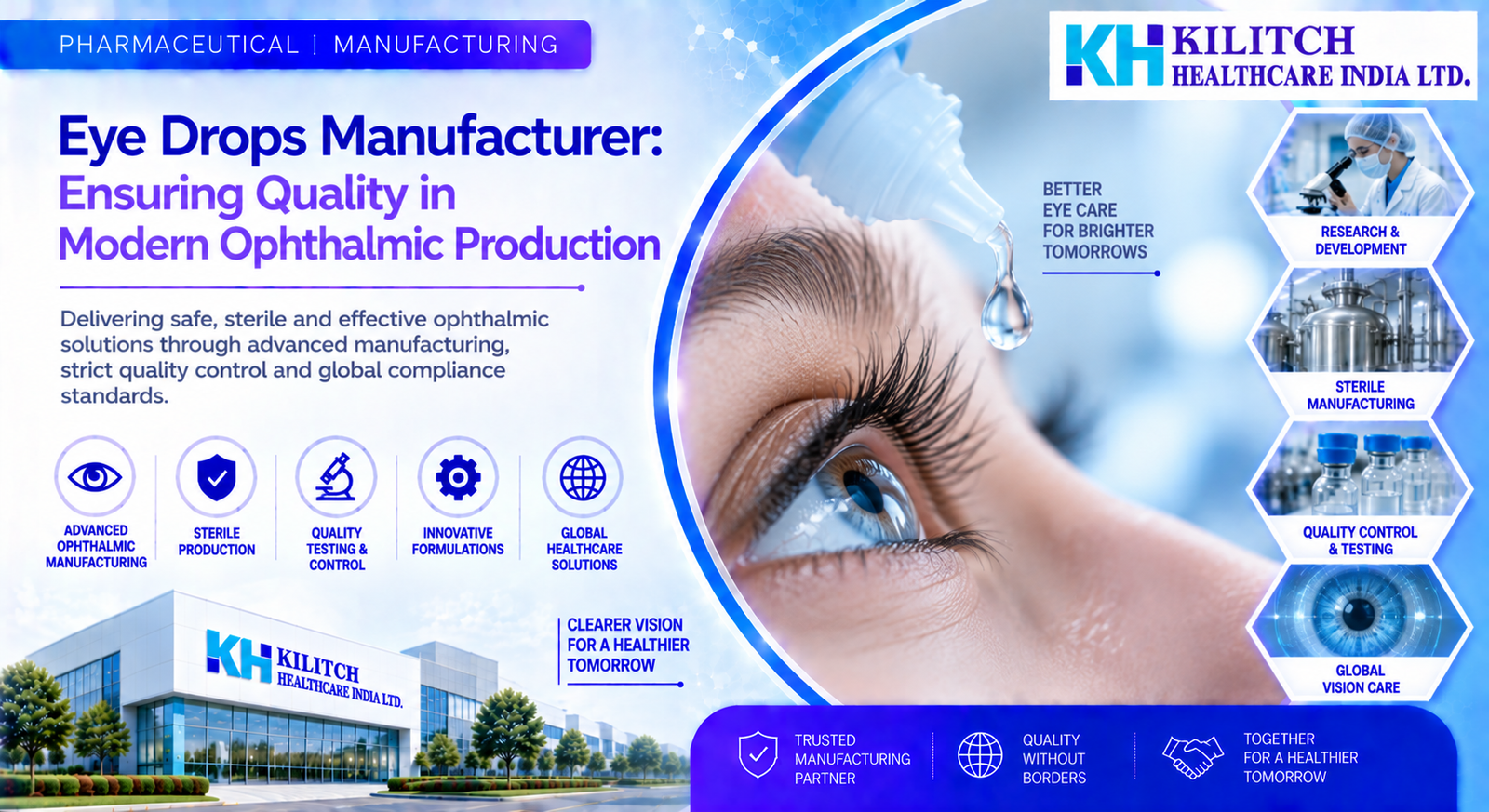
Eye health has become an increasingly important aspect of global healthcare. With rising screen time, aging populations, environmental factors, and growing awareness of eye-related disorders, the demand for high-quality ophthalmic products continues to increase worldwide. As a result, the role of an experienced eye drops manufacturer has become more critical than ever.
Modern ophthalmic medicines require precision, sterility, and strict quality control throughout the manufacturing process. From formulation development to final packaging, every stage must comply with international regulatory standards to ensure patient safety and product effectiveness.
The Growing Demand for Ophthalmic Products
The global ophthalmic market has witnessed significant growth over the past decade. Conditions such as dry eye syndrome, glaucoma, conjunctivitis, allergies, and age-related eye disorders have increased the demand for specialized eye care products.
Healthcare providers and patients rely on eye drops for both therapeutic and preventive treatment. This growing demand has encouraged pharmaceutical companies to invest in advanced manufacturing technologies and quality-focused production systems.
An experienced eye drops manufacturer plays a crucial role in ensuring that ophthalmic medicines remain safe, effective, and accessible to patients worldwide.
Understanding Ophthalmic Drug Manufacturing
Ophthalmic drug manufacturing is a specialized area of pharmaceutical production that requires highly controlled environments and strict adherence to quality standards.
Unlike many other dosage forms, ophthalmic products come into direct contact with sensitive eye tissues. Because of this, manufacturers must ensure product sterility, stability, and consistency throughout the production process.
Modern manufacturing facilities utilize advanced filtration systems, automated filling lines, and comprehensive quality testing procedures to maintain the highest standards of production. These measures help minimize contamination risks and ensure product reliability.
Why Sterile Ophthalmic Manufacturing Is Essential
One of the most important aspects of ophthalmic production is maintaining sterility. Sterile ophthalmic manufacturing involves producing products in carefully controlled cleanroom environments designed to eliminate contamination risks.
Manufacturers must follow strict procedures during formulation, filling, packaging, and storage. Every batch undergoes extensive testing to verify sterility, product quality, and regulatory compliance.
Maintaining these standards is essential because even minor contamination can compromise patient safety and reduce product effectiveness. For this reason, pharmaceutical companies continuously invest in infrastructure, technology, and employee training to support sterile manufacturing operations.
The Role of an Ophthalmic Formulations Manufacturer
An ophthalmic formulations manufacturer focuses on developing and producing a wide range of eye care solutions designed to address various medical conditions.
These formulations may include:
- Lubricating eye drops
- Anti-allergic eye drops
- Antibiotic eye drops
- Anti-inflammatory ophthalmic solutions
- Glaucoma management products
Each formulation requires precise ingredient selection, compatibility testing, stability studies, and regulatory validation before reaching the market.
Through advanced research and development capabilities, manufacturers continue to improve product effectiveness and patient convenience while maintaining compliance with international quality standards.
Quality Standards in Ophthalmic Manufacturing
Quality assurance remains at the center of every successful ophthalmic manufacturing operation. A reliable ophthalmic pharmaceutical manufacturer must implement rigorous quality control procedures throughout the production lifecycle.
These procedures include:
- Raw material testing
- Environmental monitoring
- Sterility validation
- In-process quality checks
- Finished product testing
- Packaging verification
Organizations operating as a WHO GMP pharmaceutical manufacturer follow internationally recognized Good Manufacturing Practices that help ensure product consistency and patient safety.
Compliance with these standards not only supports regulatory approval but also strengthens confidence among healthcare professionals and pharmaceutical distributors.
Innovation and Technology in Eye Drops Manufacturing
Technological advancements continue to transform ophthalmic manufacturing. Automated production systems, advanced cleanroom technology, and digital quality monitoring solutions have improved manufacturing efficiency and product reliability.
Many modern facilities utilize advanced filling and sealing systems designed to minimize human intervention and reduce contamination risks. These innovations help manufacturers maintain high levels of productivity while ensuring strict compliance with quality requirements.
Companies that invest in advanced manufacturing technologies are better positioned to meet growing global demand for ophthalmic products.
India’s Growing Role in Ophthalmic Manufacturing
India has emerged as a major center for pharmaceutical manufacturing and exports. As a leading pharmaceutical manufacturer in India, the country supplies ophthalmic products to healthcare markets across multiple continents.
Indian pharmaceutical companies have gained international recognition due to their ability to combine cost-effective manufacturing with global quality standards. Their investments in infrastructure, skilled professionals, and regulatory compliance have strengthened India’s position in the ophthalmic sector.
Kilitch Drugs is among the companies contributing to this growth by supporting ophthalmic manufacturing capabilities and serving international healthcare markets through quality-focused operations.
Pharmaceutical Contract Manufacturing Opportunities
The growing demand for ophthalmic products has also increased the importance of pharmaceutical contract manufacturing services.
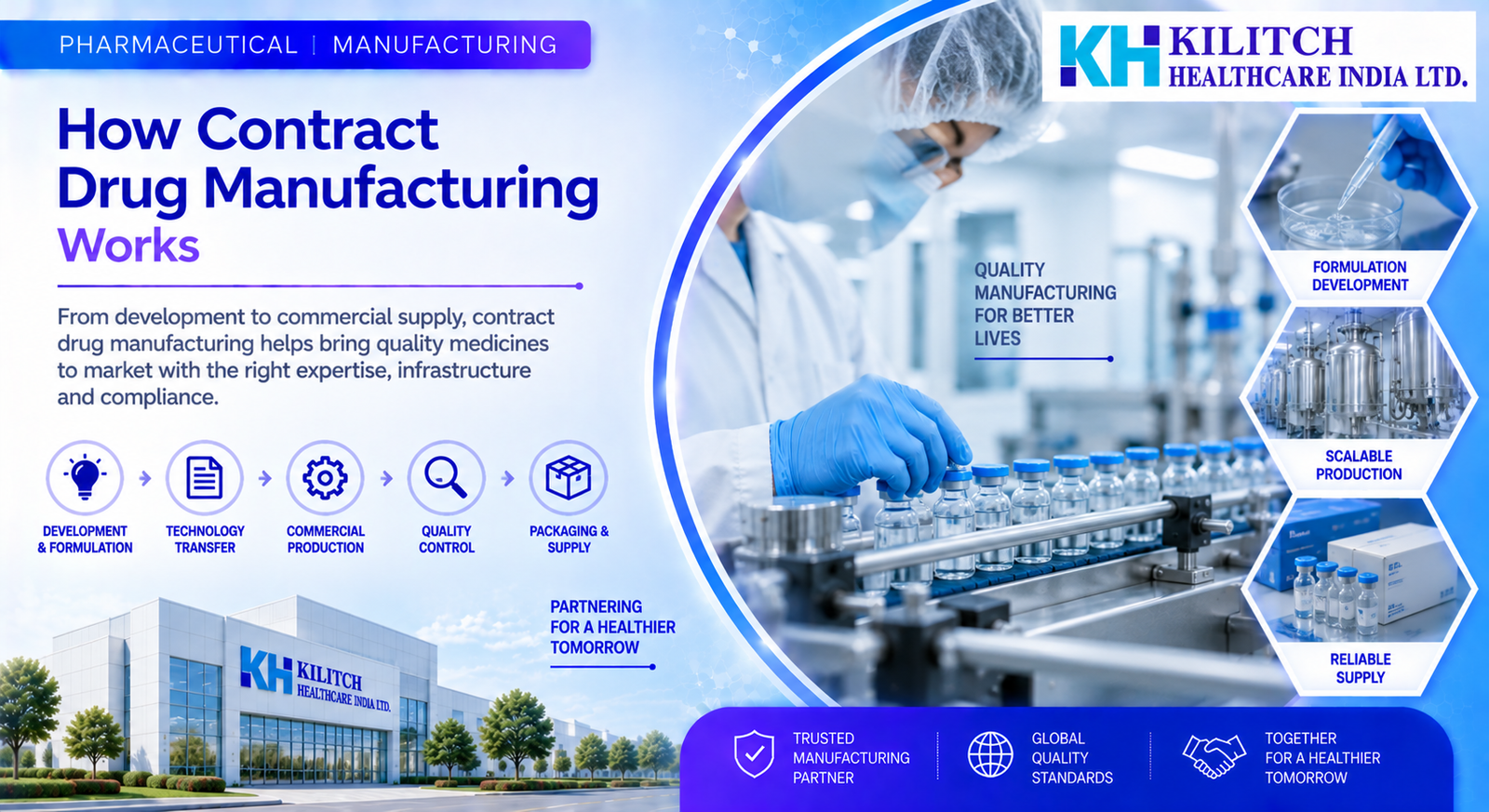
Contract manufacturing allows pharmaceutical brands to leverage established manufacturing infrastructure, regulatory expertise, and quality systems without investing heavily in production facilities. This approach improves operational efficiency and accelerates product commercialization.
For healthcare companies looking to expand their ophthalmic product portfolios, partnering with an experienced manufacturer can provide significant strategic advantages.
Ophthalmic Exports and Global Healthcare Access
Global demand for eye care products continues to rise, creating opportunities for manufacturers to expand into international markets. As a recognized pharmaceutical exporter from India, the industry plays a vital role in improving healthcare accessibility worldwide.
Export-focused manufacturers must comply with diverse regulatory requirements while maintaining consistent product quality across different regions. Strong quality systems and international certifications help support successful global operations.
Companies with established export networks contribute significantly to the availability of ophthalmic medicines in both developed and emerging healthcare markets.
The Future of Eye Drops Manufacturing
The future of ophthalmic manufacturing will be shaped by innovation, quality improvement, and increasing patient demand. Advances in formulation science, packaging technologies, and sterile production systems are expected to drive industry growth over the coming years.
Manufacturers that prioritize research, quality assurance, and regulatory compliance will continue to play a crucial role in supporting global eye health.
As healthcare systems evolve, the demand for reliable ophthalmic products will create new opportunities for manufacturers committed to delivering safe, effective, and high-quality eye care solutions.
Conclusion
The role of an eye drops manufacturer extends far beyond production. From ophthalmic drug manufacturing and sterile ophthalmic manufacturing to quality assurance and global distribution, every step contributes to patient safety and treatment effectiveness.
With increasing demand for eye care products worldwide, manufacturers that maintain high standards, embrace innovation, and comply with international regulations will continue to support better healthcare outcomes. Companies such as Kilitch Drugs demonstrate how quality-driven manufacturing can contribute to the growth of the global ophthalmic industry while helping improve access to essential eye care solutions.