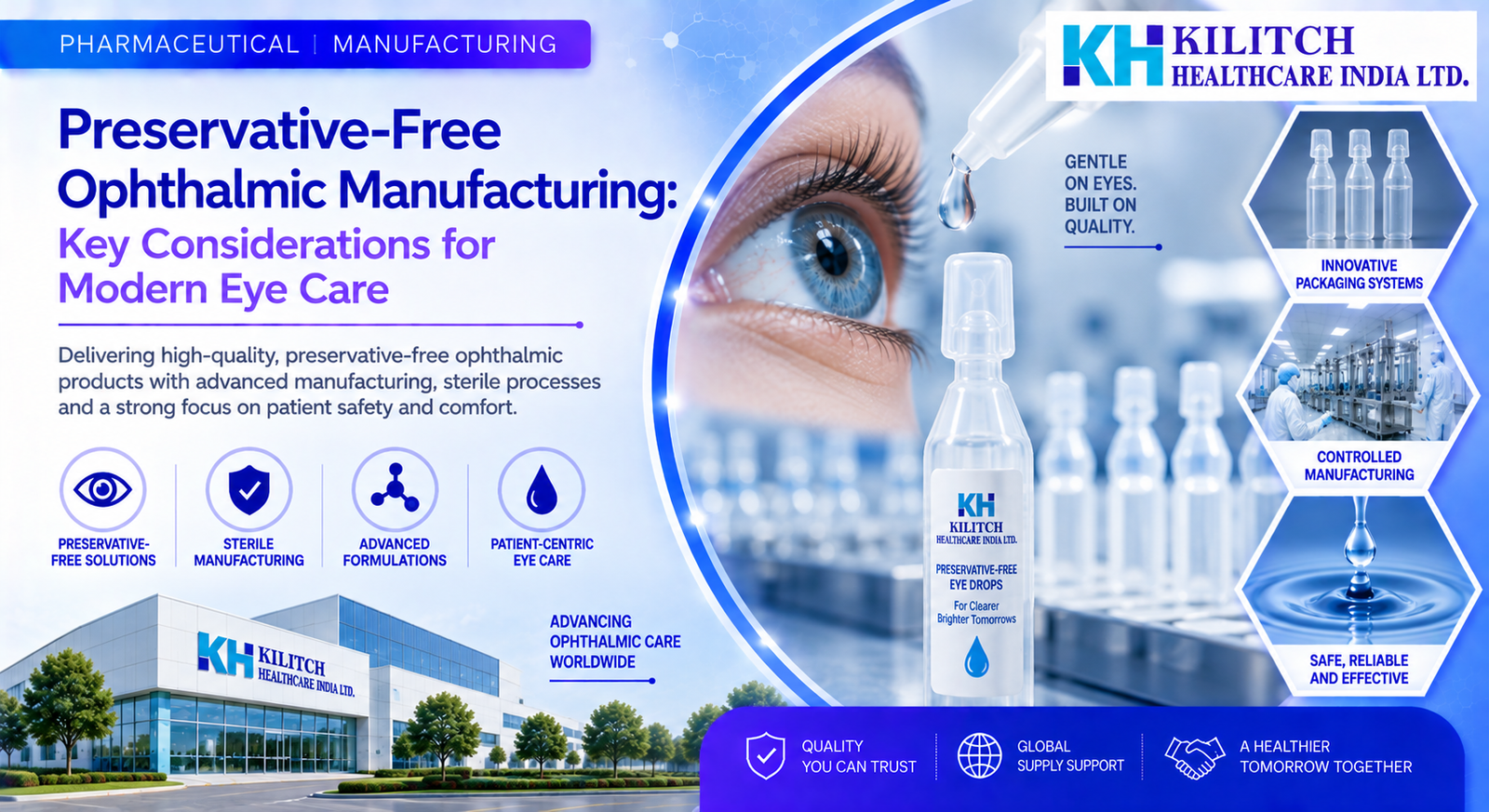
The global demand for advanced eye care solutions is rising rapidly due to increased screen exposure, aging populations, and growing awareness of preventive eye health. As a result, ophthalmic drug manufacturing has become a critical segment within the pharmaceutical industry. From sterile eye drops to specialized ophthalmic formulations, manufacturers must meet strict safety and quality standards while embracing innovation.
For any pharmaceutical manufacturing company operating in this segment, precision, sterility, and regulatory compliance are fundamental to success.
The Growing Importance of Ophthalmic Pharmaceuticals
Eye disorders such as dry eye syndrome, glaucoma, infections, and post-surgical inflammation are becoming increasingly common worldwide. This has significantly expanded the market for:
- Sterile eye drops
- Ophthalmic suspensions
- Preservative-free formulations
- Post-operative ophthalmic solutions
Unlike oral medications, ophthalmic products are administered directly to a highly sensitive organ. Therefore, sterile ophthalmic manufacturing requires strict adherence to Good Manufacturing Practices (GMP) and validated aseptic processes.
Sterility: The Foundation of Ophthalmic Drug Manufacturing
Because ophthalmic formulations are applied directly to the eye, even minor contamination can cause severe infections or irritation. This makes sterility assurance a top priority in ophthalmic pharmaceutical manufacturing.
Key sterility measures include:
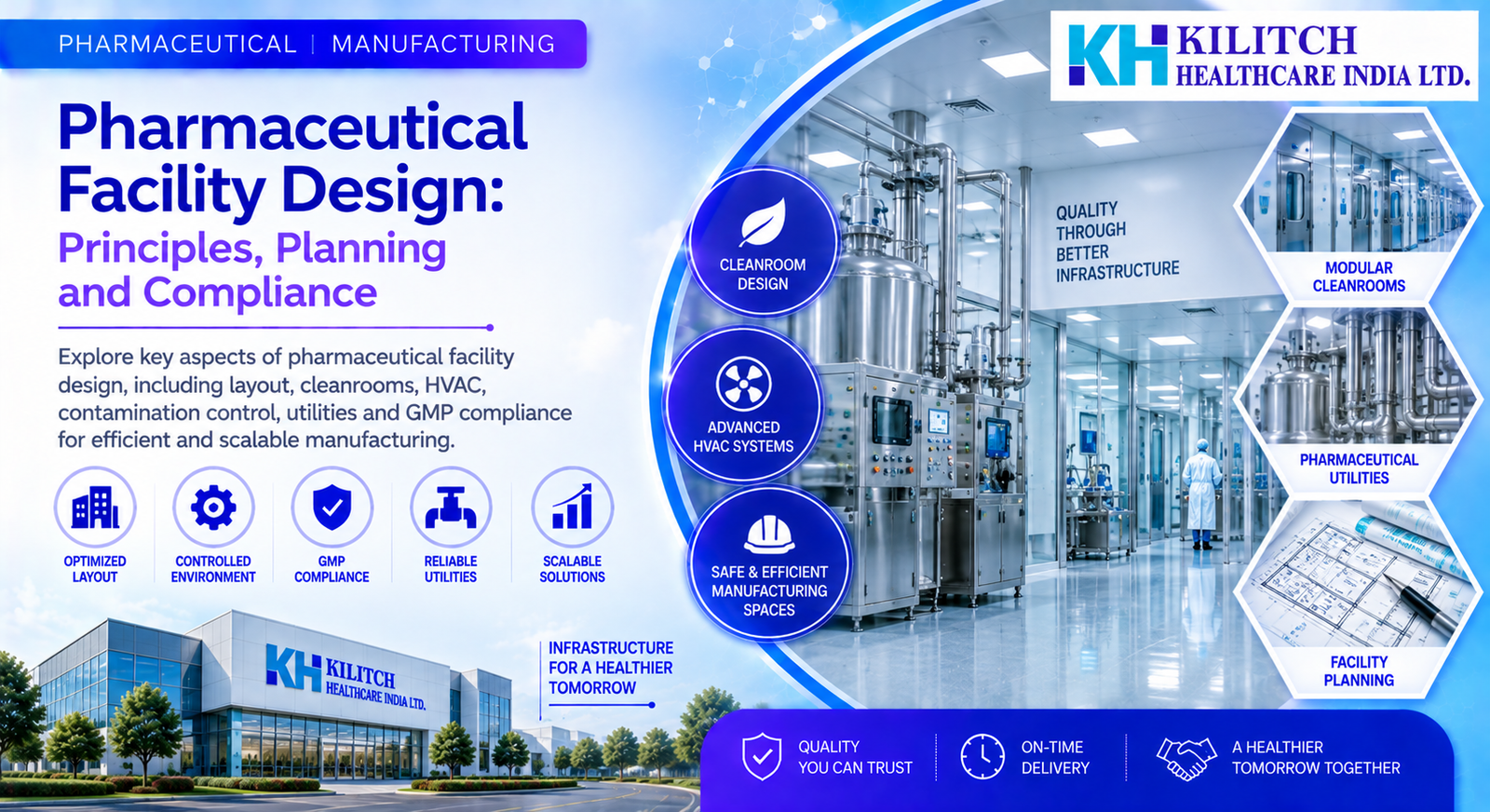
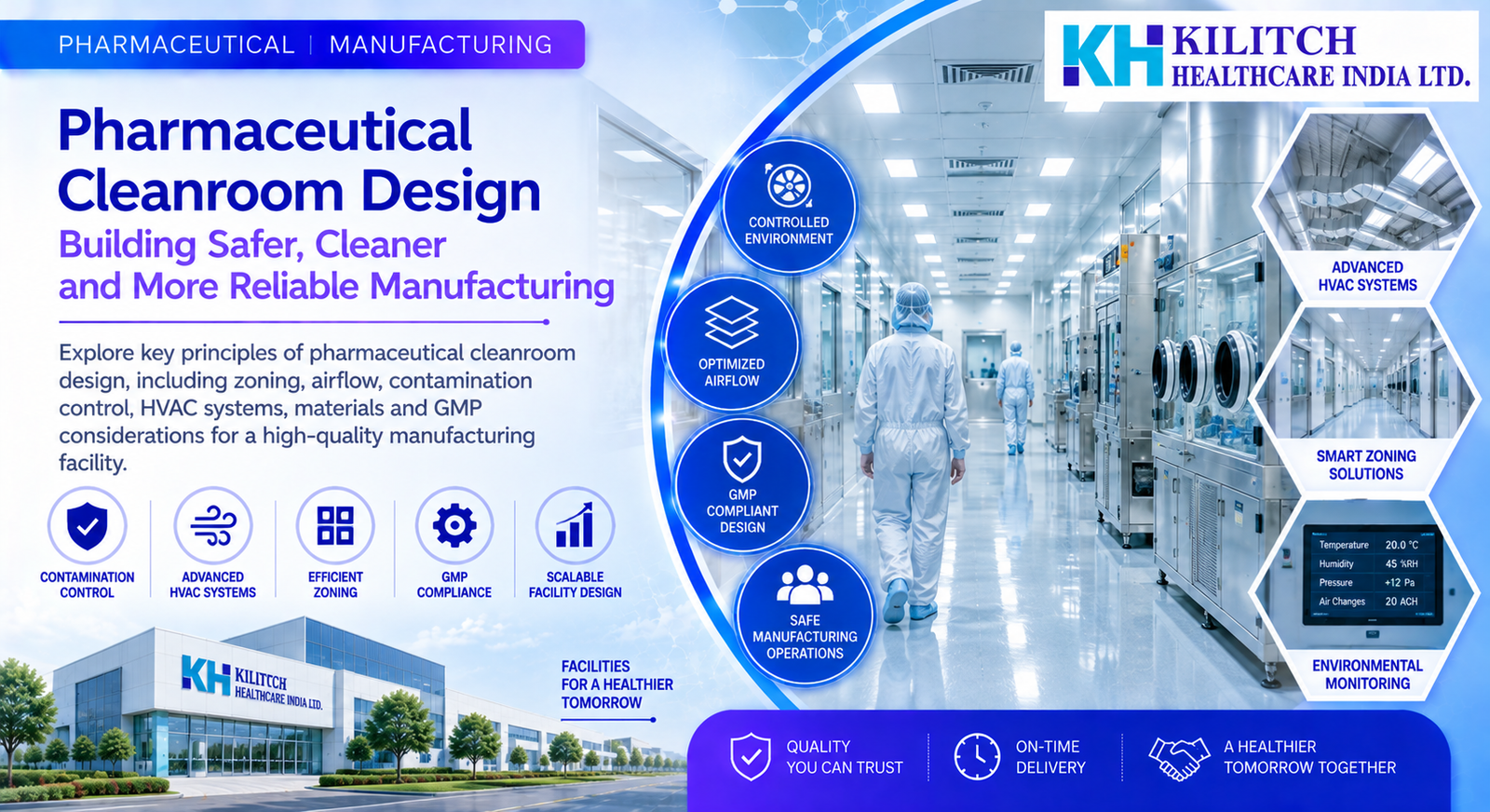
- HEPA-filtered cleanroom environments
- Aseptic processing systems
- Validated sterilization procedures
- Environmental monitoring
- Microbial and particulate testing
Maintaining these standards ensures that ophthalmic products remain safe and effective throughout their shelf life.
Innovation Driving the Future of Ophthalmic Manufacturing
The future of ophthalmic drug manufacturing is being shaped by technological advancements and patient-centric design.
Preservative-Free Multi-Dose Systems
These systems reduce irritation and improve safety for patients requiring long-term treatment.
Blow-Fill-Seal (BFS) Technology
BFS technology enhances sterility by minimizing human intervention during manufacturing.
Sustained-Release Ophthalmic Formulations
Advanced drug delivery systems allow extended therapeutic action, reducing dosing frequency.
Smart Packaging Solutions
Improved packaging ensures product stability, traceability, and regulatory compliance.
Pharmaceutical manufacturers investing in such technologies gain a competitive advantage in global markets.
Regulatory Compliance in Ophthalmic Pharmaceutical Manufacturing
Regulatory authorities require strict validation and documentation for ophthalmic products. Manufacturers must demonstrate:
- GMP compliance
- Stability studies
- Batch traceability
- Sterility assurance validation
- Packaging integrity testing
Compliance not only ensures patient safety but also facilitates international product registrations and export approvals.
As a reliable pharmaceutical manufacturing company, Kilitch Healthcare integrates GMP-compliant systems and validated aseptic processing protocols into its ophthalmic manufacturing operations. Through strict environmental monitoring and quality assurance procedures, the company supports the production of safe and effective ophthalmic pharmaceutical products aligned with global regulatory standards.
Global Market Opportunities
The ophthalmic pharmaceutical market continues to grow in both developed and emerging economies. Increased digital device usage, expanding geriatric populations, and rising access to healthcare services are driving demand.
Export-ready ophthalmic drug manufacturing companies that maintain international quality standards are well-positioned to serve distributors, hospitals, and healthcare providers across multiple regions.
With advanced infrastructure and regulatory expertise, Kilitch Healthcare contributes to meeting global eye care needs through compliant pharmaceutical manufacturing solutions.
The Role of Quality Assurance in Ophthalmic Production
Quality assurance in ophthalmic manufacturing involves:
- Raw material verification
- In-process monitoring
- Final product testing
- Packaging validation
- Documentation control
Each production stage must be carefully monitored to maintain consistency and compliance.
By implementing comprehensive quality control systems and validated processes, pharmaceutical manufacturers ensure reliability and build long-term trust in competitive healthcare markets.
Conclusion
The future of ophthalmic drug manufacturing lies in innovation, sterility, and regulatory excellence. As global demand for safe and effective eye care solutions increases, pharmaceutical manufacturers must prioritize advanced infrastructure, aseptic processing, and strict GMP compliance.Companies like Kilitch Healthcare play an important role in supporting this evolving landscape through sterile ophthalmic manufacturing capabilities and quality-driven pharmaceutical production systems. By combining technological advancement with regulatory precision, the ophthalmic segment continues to expand its contribution to global healthcare.