In modern healthcare, precision, safety, and rapid therapeutic action are more critical than ever. Among the most significant advancements in pharmaceutical science is the development of sterile injectables. These life-saving formulations have transformed emergency medicine, oncology, critical care, and specialty treatments worldwide.
For pharmaceutical manufacturers like Kilitch Healthcare, sterile injectable manufacturing represents a commitment to quality, innovation, and global healthcare standards.
What Are Sterile Injectables?
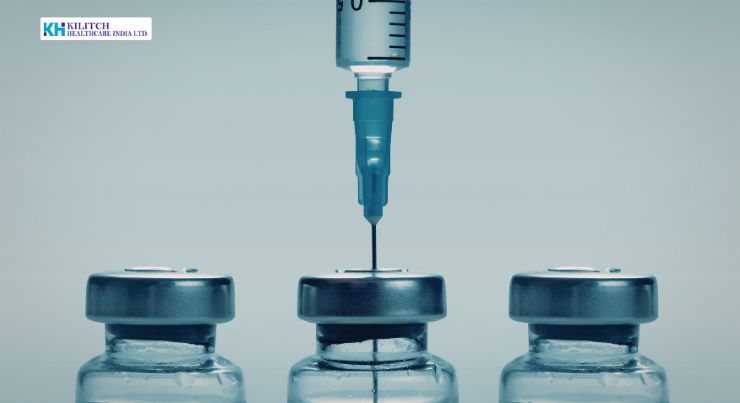
Sterile injectables are pharmaceutical formulations administered directly into the body through intravenous (IV), intramuscular (IM), or subcutaneous routes. Unlike oral medications, injectable pharmaceuticals bypass the digestive system, delivering immediate therapeutic effects.
These products must meet strict sterility requirements to prevent contamination and ensure patient safety. Even the smallest microbial presence can pose serious health risks. Therefore, sterile injectable manufacturing demands advanced infrastructure, cleanroom environments, and rigorous quality control systems.
Common types of sterile injectables include:
- Oncology injections
- Antibiotic injectables
- Critical care injectables
- Hormonal injections
- Ophthalmic injectables
Why Sterility Is Non-Negotiable
Sterility is the foundation of injectable drug manufacturing. Since these medications enter directly into the bloodstream or tissues, they must be completely free from bacteria, viruses, and particulate matter.
Pharmaceutical companies must follow:
- Good Manufacturing Practices (GMP)
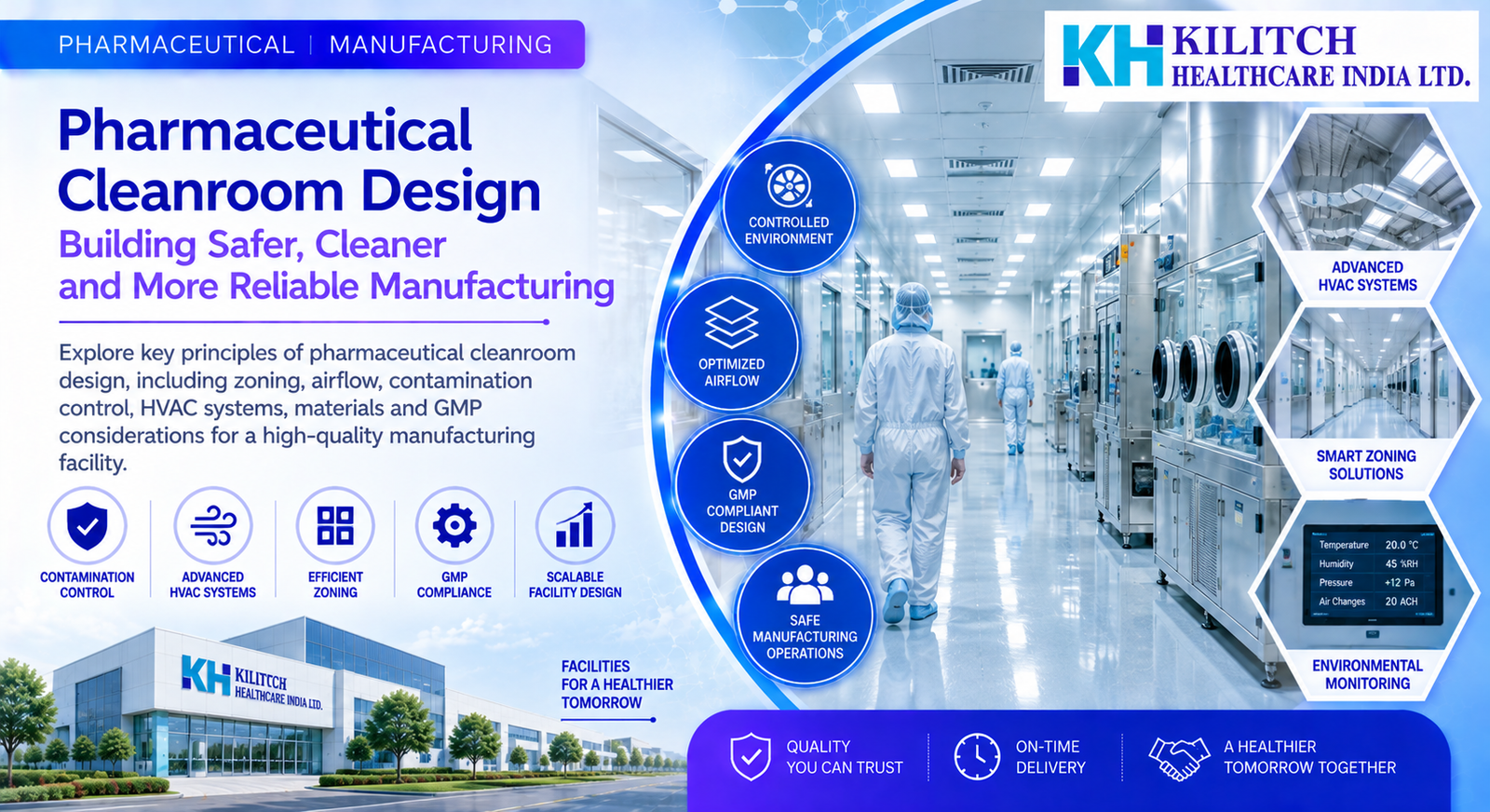
- Controlled cleanroom environments
- Environmental monitoring systems
- Strict validation protocols
- Advanced sterilization processes
Modern sterile injectable facilities use high-efficiency air filtration systems (HEPA), automated filling lines, and aseptic processing techniques to maintain product integrity. These standards ensure that patients receive safe, reliable, and effective treatment.
The Growing Demand for Sterile Injectables
The global pharmaceutical industry is witnessing rising demand for sterile injectables due to:
1. Increase in Chronic Diseases
Cancer, cardiovascular disorders, diabetes, and autoimmune conditions often require injectable treatments for faster and more targeted drug delivery.
2. Rise in Biologics and Specialty Medicines
Many biologics and advanced therapies are formulated as sterile injectables because they cannot survive the digestive process.
3. Hospital and Critical Care Usage
In emergency medicine, injectables provide immediate action, making them essential in ICUs and surgical settings.
As healthcare systems evolve, injectable drug manufacturing continues to grow as a critical segment of the pharmaceutical market.
Advantages of Sterile Injectables in Modern Medicine
Rapid Onset of Action
Injectables work faster than oral medications because they enter directly into systemic circulation.
Higher Bioavailability
Since they bypass digestion, sterile injectable drugs provide 100% bioavailability in most cases.
Precision Dosing
Hospitals and healthcare professionals can administer exact doses, ensuring optimal therapeutic outcomes.
Suitable for Complex Molecules
Advanced biologics and sensitive drug compounds can be delivered safely through injectable formats.
These advantages have positioned sterile injectables as a backbone of modern therapeutic solutions.
The Role of Advanced Manufacturing
Sterile injectable production requires highly specialized infrastructure and technical expertise. Key elements include:
- Aseptic processing zones
- Automated vial and ampoule filling lines
- Lyophilization (freeze-drying) technology
- Quality assurance and validation systems
- Regulatory compliance with global standards
Pharmaceutical companies investing in state-of-the-art sterile manufacturing facilities ensure not only product safety but also regulatory approval in international markets.
Quality-driven injectable pharmaceutical companies focus heavily on process validation, sterility testing, and batch traceability to maintain consistent product standards.
Innovation Driving the Future
The future of sterile injectable manufacturing is shaped by innovation and technology:
- Prefilled syringes for convenience
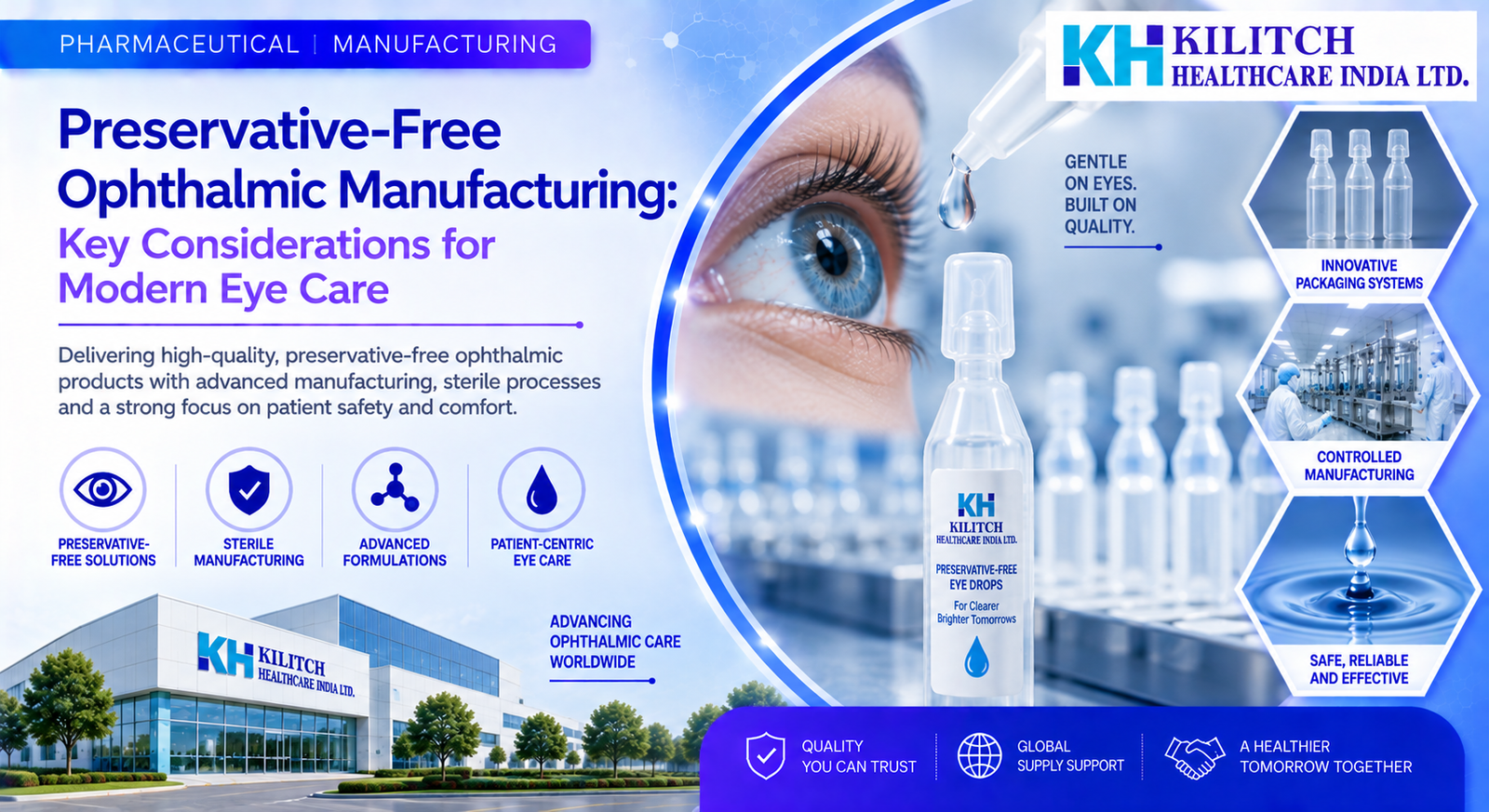
- Preservative-free formulations
- Ready-to-use injectable systems
- Sustainable pharmaceutical packaging
- Advanced biologic drug development
These innovations are enhancing patient safety, reducing medication errors, and improving healthcare efficiency.
Regulatory Compliance and Global Standards
Manufacturing sterile injectables requires strict compliance with international regulatory authorities. Pharmaceutical companies must adhere to guidelines set by global health organizations to maintain export approvals and market trust.
Key compliance areas include:
- GMP certification
- Quality audits
- Documentation and traceability
- Stability studies
- Environmental control monitoring
Regulatory excellence ensures that sterile injectable products meet international safety benchmarks.
Conclusion
Sterile injectables are redefining the future of healthcare. From life-saving emergency medications to advanced oncology therapies, these formulations offer unmatched speed, precision, and therapeutic efficiency.
As the pharmaceutical industry continues to innovate, the demand for high-quality sterile injectable manufacturing will only increase. Companies that invest in advanced infrastructure, stringent quality control, and regulatory excellence play a vital role in supporting global healthcare systems.
With growing emphasis on patient safety, biologics, and complex drug formulations, sterile injectables are not just a segment of pharmaceutical manufacturing – they are the foundation of modern medicine.