


The Future of Ophthalmic Drug Manufacturing: Innovation, Sterility, and Global Demand
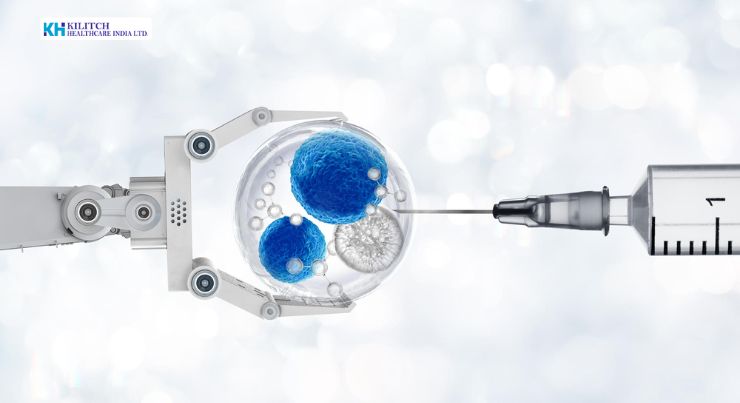
The global demand for advanced eye care solutions is rising rapidly due to increased screen exposure, aging populations, and growing awareness of preventive eye health. As a result, ophthalmic drug manufacturing has become a critical segment within the pharmaceutical industry. From sterile eye drops to specialized ophthalmic formulations, manufacturers must meet strict safety and quality standards while embracing innovation. For any pharmaceutical manufacturing company operating in this segment, precision, sterility, and regulatory compliance are fundamental to success. The Growing Importance of Ophthalmic Pharmaceuticals Eye disorders such as dry eye syndrome, glaucoma, infections, and post-surgical inflammation are becoming increasingly common worldwide. This has significantly expanded the market for: Unlike oral medications, ophthalmic products are administered directly to a highly sensitive organ. Therefore, sterile ophthalmic manufacturing requires strict adherence to Good Manufacturing Practices (GMP) and validated aseptic processes. Sterility: The Foundation of Ophthalmic Drug Manufacturing Because ophthalmic formulations are applied directly to the eye, even minor contamination can cause severe infections or irritation. This makes sterility assurance a top priority in ophthalmic pharmaceutical manufacturing. Key sterility measures include: Maintaining these standards ensures that ophthalmic products remain safe and effective throughout their shelf life. Innovation Driving the Future of Ophthalmic Manufacturing The future of ophthalmic drug manufacturing is being shaped by technological advancements and patient-centric design. Preservative-Free Multi-Dose Systems These systems reduce irritation and improve safety for patients requiring long-term treatment. Blow-Fill-Seal (BFS) Technology BFS technology enhances sterility by minimizing human intervention during manufacturing. Sustained-Release Ophthalmic Formulations Advanced drug delivery systems allow extended therapeutic action, reducing dosing frequency. Smart Packaging Solutions Improved packaging ensures product stability, traceability, and regulatory compliance. Pharmaceutical manufacturers investing in such technologies gain a competitive advantage in global markets. Regulatory Compliance in Ophthalmic Pharmaceutical Manufacturing Regulatory authorities require strict validation and documentation for ophthalmic products. Manufacturers must demonstrate: Compliance not only ensures patient safety but also facilitates international product registrations and export approvals. As a reliable pharmaceutical manufacturing company, Kilitch Healthcare integrates GMP-compliant systems and validated aseptic processing protocols into its ophthalmic manufacturing operations. Through strict environmental monitoring and quality assurance procedures, the company supports the production of safe and effective ophthalmic pharmaceutical products aligned with global regulatory standards. Global Market Opportunities The ophthalmic pharmaceutical market continues to grow in both developed and emerging economies. Increased digital device usage, expanding geriatric populations, and rising access to healthcare services are driving demand. Export-ready ophthalmic drug manufacturing companies that maintain international quality standards are well-positioned to serve distributors, hospitals, and healthcare providers across multiple regions. With advanced infrastructure and regulatory expertise, Kilitch Healthcare contributes to meeting global eye care needs through compliant pharmaceutical manufacturing solutions. The Role of Quality Assurance in Ophthalmic Production Quality assurance in ophthalmic manufacturing involves: Each production stage must be carefully monitored to maintain consistency and compliance. By implementing comprehensive quality control systems and validated processes, pharmaceutical manufacturers ensure reliability and build long-term trust in competitive healthcare markets. Conclusion The future of ophthalmic drug manufacturing lies in innovation, sterility, and regulatory excellence. As global demand for safe and effective eye care solutions increases, pharmaceutical manufacturers must prioritize advanced infrastructure, aseptic processing, and strict GMP compliance.Companies like Kilitch Healthcare play an important role in supporting this evolving landscape through sterile ophthalmic manufacturing capabilities and quality-driven pharmaceutical production systems. By combining technological advancement with regulatory precision, the ophthalmic segment continues to expand its contribution to global healthcare.
Key Challenges in Pharmaceutical Contract Manufacturing and How to Overcome Them

The pharmaceutical industry is becoming increasingly complex, with rising regulatory standards, technological advancements, and global competition. As a result, many companies rely on pharmaceutical contract manufacturing to scale operations efficiently while maintaining compliance and quality. While outsourcing production offers numerous benefits, it also presents specific challenges that require strategic management. Understanding Pharmaceutical Contract Manufacturing Pharma contract manufacturing involves outsourcing drug production to specialized manufacturing companies that offer infrastructure, regulatory expertise, and validated production systems. Services may include: Partnering with an experienced pharmaceutical manufacturing company ensures operational efficiency and faster market entry. Major Challenges in Pharmaceutical Contract Manufacturing 1. Regulatory Complexity Different markets have varying compliance requirements. Meeting global regulatory expectations requires strong documentation, validation, and GMP adherence. 2. Quality Control Risks Maintaining consistent product quality across batches is critical. Any deviation can result in recalls or reputational damage. 3. Communication Gaps Misalignment between brand owners and contract manufacturers can lead to delays or production errors. 4. Supply Chain Disruptions Raw material shortages and logistical issues can affect timelines and cost structures. Overcoming Contract Manufacturing Challenges Strong GMP Compliance Working with a WHO-GMP certified pharmaceutical manufacturer ensures regulatory readiness and audit preparedness. Transparent Communication Clear documentation, regular updates, and shared quality benchmarks reduce operational risks. Advanced Infrastructure Modern facilities equipped with aseptic processing systems and automated filling lines enhance efficiency and reduce contamination risk. Risk Management Systems Comprehensive quality assurance protocols and batch traceability systems minimize errors. The Strategic Advantage of Reliable Partners Selecting the right partner in pharmaceutical contract manufacturing can transform challenges into growth opportunities. Companies that invest in validated processes, strong regulatory frameworks, and technical expertise gain long-term scalability. Kilitch Healthcare, with its experience in sterile injectable manufacturing and ophthalmic pharmaceutical production, supports pharmaceutical brands through compliant and reliable contract manufacturing solutions. By maintaining strict GMP compliance and robust quality assurance systems, the company ensures consistent product standards aligned with international expectations. Conclusion Pharmaceutical contract manufacturing is a powerful strategy for companies seeking expansion and operational efficiency. However, regulatory complexity, quality control, and supply chain challenges must be carefully managed. By partnering with experienced pharmaceutical manufacturing companies that prioritize compliance, infrastructure, and transparency, brands can achieve sustainable growth in competitive global markets.Through its commitment to quality, compliance, and advanced manufacturing capabilities, Kilitch Healthcare continues to contribute to efficient and reliable pharmaceutical contract manufacturing services.
Aseptic Processing in Sterile Injectable Manufacturing: Ensuring Safety and Precision
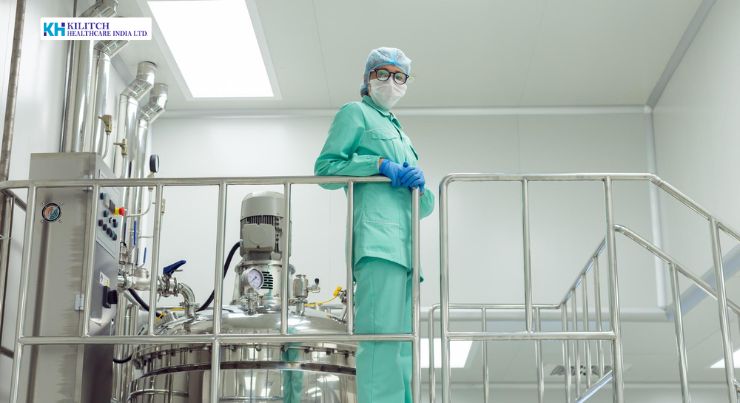
Sterile injectables are among the most sensitive and critical pharmaceutical dosage forms. Because these products are administered directly into the bloodstream or tissues, maintaining sterility throughout production is non-negotiable. This is where aseptic processing in sterile injectable manufacturing becomes essential. For any pharmaceutical manufacturing company operating in the sterile segment, maintaining contamination-free environments and validated processes is fundamental to ensuring patient safety and regulatory compliance. What Is Aseptic Processing? Aseptic processing refers to the method by which sterile drug products are manufactured in a controlled environment to prevent microbial contamination. Unlike terminal sterilization, aseptic pharmaceutical manufacturing requires that both the product and packaging components are sterilized separately and then combined under sterile conditions. This process is widely used in: Because injectable products bypass the body’s natural defenses, even minor contamination can pose serious health risks. Key Components of Aseptic Pharmaceutical Manufacturing 1. Cleanroom Infrastructure Advanced cleanroom facilities are essential for maintaining sterility. HEPA filtration systems control airborne particles, while controlled temperature and humidity prevent microbial growth. 2. Sterilization of Equipment and Materials All equipment, vials, stoppers, and raw materials must undergo validated sterilization processes before entering the aseptic area. 3. Environmental Monitoring Continuous monitoring of air quality, pressure differentials, and microbial levels ensures compliance with GMP standards. 4. Automated Filling Lines Minimizing human intervention reduces contamination risk. Modern sterile injectable manufacturing facilities use automated systems for precision filling and sealing. Why Aseptic Processing Is Critical in Injectable Drug Manufacturing The demand for injectable drug manufacturing is increasing globally due to rising cases of chronic diseases and growth in biologics. However, with this demand comes strict regulatory oversight. Aseptic processing ensures: Pharmaceutical companies that maintain strong aseptic protocols gain competitive advantage in export markets. Regulatory Requirements & Compliance Regulatory authorities require extensive validation for aseptic pharmaceutical manufacturing, including: Compliance with these requirements ensures global acceptance and regulatory approvals. At Kilitch Healthcare, aseptic processing protocols are integrated into sterile injectable manufacturing operations to align with international GMP compliance and quality assurance standards. Through validated sterilization cycles and controlled manufacturing environments, the company supports safe and effective pharmaceutical production. Technological Advancements in Aseptic Manufacturing Innovation continues to improve sterile production efficiency: These advancements enhance safety, precision, and operational efficiency in pharmaceutical manufacturing. Conclusion Aseptic processing is the foundation of safe sterile injectable manufacturing. By combining advanced infrastructure, automated systems, and strict GMP compliance, pharmaceutical manufacturers can deliver contamination-free products that meet global healthcare standards.With a commitment to regulatory excellence and precision manufacturing, Kilitch Healthcare reinforces its capability in sterile injectable pharmaceutical manufacturing, supporting hospitals, distributors, and international healthcare markets with reliable production solutions.
The Role of Indian Pharmaceutical Manufacturers in Global Healthcare Exports

India has emerged as one of the leading pharmaceutical hubs in the world, supplying high-quality medicines to numerous countries across regulated and emerging markets. As a major pharmaceutical exporter from India, the country plays a vital role in ensuring access to affordable and effective healthcare solutions globally. Indian pharmaceutical manufacturers have strengthened their global footprint by maintaining strict regulatory compliance, investing in advanced manufacturing infrastructure, and delivering consistent product quality. Among these industry contributors, Kilitch Healthcare stands as a committed pharmaceutical manufacturing company supporting global healthcare systems through compliant and export-ready production capabilities. Why India Leads in Pharmaceutical Exports India’s pharmaceutical export growth is driven by several factors: Cost-Effective Manufacturing Efficient production systems and skilled workforce enable competitive pricing without compromising quality. Strong Regulatory Compliance WHO-GMP certifications and adherence to international regulatory standards strengthen trust in Indian manufacturers. Diverse Product Portfolio Indian pharma companies produce sterile injectables, ophthalmic formulations, tablets, capsules, and specialty medicines. Global Distribution Networks Established supply chains support smooth export operations to multiple international markets. The Growing Demand for Sterile Injectables in Export Markets The demand for sterile injectable manufacturing has increased significantly due to: Injectable drug manufacturing requires advanced aseptic facilities and strict sterility validation. Indian pharmaceutical exporters that invest in such infrastructure gain a competitive advantage globally. Kilitch Healthcare, with its focus on sterile injectable pharmaceutical manufacturing, aligns with international regulatory expectations and export standards, supporting distributors and healthcare institutions worldwide. Ophthalmic Drug Manufacturing & Global Opportunities Eye care is another rapidly growing segment in global healthcare. Increasing screen exposure, aging populations, and post-surgical care demand have driven expansion in ophthalmic drug manufacturing. Indian ophthalmic manufacturers supplying sterile eye drops and ophthalmic solutions must comply with stringent GMP standards. Export-ready production ensures smooth product registrations and international approvals. With strong compliance systems and quality assurance protocols, Kilitch Healthcare contributes to meeting global demand for safe and effective ophthalmic pharmaceutical products. Regulatory Strength & Export Readiness Pharmaceutical exporters must demonstrate: Indian pharma export companies that maintain these standards gain regulatory acceptance in multiple countries. By integrating advanced manufacturing systems with comprehensive documentation practices, Kilitch Healthcare reinforces its capability as a reliable pharmaceutical exporter from India. Conclusion Indian pharmaceutical manufacturers play a critical role in global healthcare delivery. Through cost-efficient production, regulatory compliance, and advanced infrastructure, India continues to strengthen its position as a trusted pharmaceutical exporter. Companies like Kilitch Healthcare support this global mission by delivering GMP-compliant pharmaceutical manufacturing solutions, sterile injectable products, and ophthalmic formulations that meet international standards. As healthcare demands continue to evolve, Indian pharmaceutical exporters remain integral to ensuring accessible, safe, and high-quality medicines worldwide.
How GMP Compliance Ensures Quality in Pharmaceutical Manufacturing

In the pharmaceutical industry, quality is not optional — it is a regulatory and ethical obligation. Every product manufactured must meet strict safety, efficacy, and consistency standards. This is where GMP compliance plays a critical role. Good Manufacturing Practices (GMP) form the foundation of modern pharmaceutical manufacturing, ensuring that medicines are consistently produced and controlled according to international quality standards. For a trusted pharmaceutical manufacturing company like Kilitch Healthcare, GMP compliance is not merely a regulatory requirement but a core operational principle that safeguards patient health and strengthens global credibility. Understanding GMP in Pharmaceutical Manufacturing Good Manufacturing Practices are comprehensive guidelines that govern every aspect of pharmaceutical production, including: GMP ensures that products are manufactured in controlled environments with validated processes, minimizing risks such as contamination, mix-ups, and errors. In segments like sterile injectable manufacturing and ophthalmic drug manufacturing, GMP compliance becomes even more critical because these products are administered directly into the bloodstream or eye, where sterility is essential. The Importance of GMP Compliance 1. Ensuring Patient Safety Medicines must be free from contamination and manufactured with precision. GMP protocols reduce microbial, chemical, and cross-contamination risks. 2. Maintaining Product Consistency Consistency in formulation, dosage, and packaging ensures therapeutic reliability across batches. 3. Regulatory Approvals Pharmaceutical companies seeking export approvals must demonstrate strict adherence to GMP standards. Regulatory authorities evaluate manufacturing facilities, documentation, and validation protocols before granting certifications. 4. Building Global Trust WHO-GMP certified pharmaceutical manufacturers gain stronger credibility in international markets, especially in regulated and semi-regulated regions. Key Components of GMP-Compliant Manufacturing Infrastructure & Cleanroom Design Advanced pharmaceutical manufacturing facilities operate under controlled temperature, humidity, and air filtration systems. HEPA filters and environmental monitoring systems help maintain sterility in aseptic processing areas. Validation & Qualification Equipment and production processes undergo rigorous validation to ensure consistent performance. In aseptic pharmaceutical manufacturing, sterilization cycles and filling operations are thoroughly validated. Documentation & Traceability Comprehensive documentation ensures that every batch can be traced back to raw material sources and production steps. This traceability is essential for audits and regulatory inspections. Quality Control Testing Each batch undergoes microbial testing, potency analysis, stability studies, and packaging integrity checks before release. GMP in Sterile Injectable & Ophthalmic Manufacturing In high-risk dosage forms like sterile injectables and ophthalmic solutions, GMP compliance includes: These stringent measures ensure that products meet international safety benchmarks. At Kilitch Healthcare, strict GMP compliance is embedded across manufacturing operations, supporting the production of sterile injectable pharmaceuticals and ophthalmic formulations that align with global regulatory standards. Technology & Continuous Improvement Modern pharma manufacturing companies leverage digital monitoring systems, automated filling lines, and real-time environmental controls to enhance GMP adherence. Continuous training and internal audits further strengthen quality systems. By integrating advanced infrastructure with regulatory expertise, Kilitch Healthcare reinforces its position as a GMP-certified pharmaceutical manufacturer capable of supporting global healthcare demands. Conclusion GMP compliance is the backbone of pharmaceutical quality and regulatory success. It ensures patient safety, product consistency, and international market acceptance. In specialized segments such as sterile injectable manufacturing and ophthalmic drug production, adherence to GMP standards is indispensable.Through validated processes, advanced infrastructure, and comprehensive quality assurance systems, Kilitch Healthcare demonstrates its commitment to excellence in pharmaceutical manufacturing. In a highly regulated global environment, GMP compliance is not just about meeting standards – it is about delivering trust.
The Role of Quality Assurance in Pharmaceutical Manufacturing: Building Trust Through Compliance & Precision
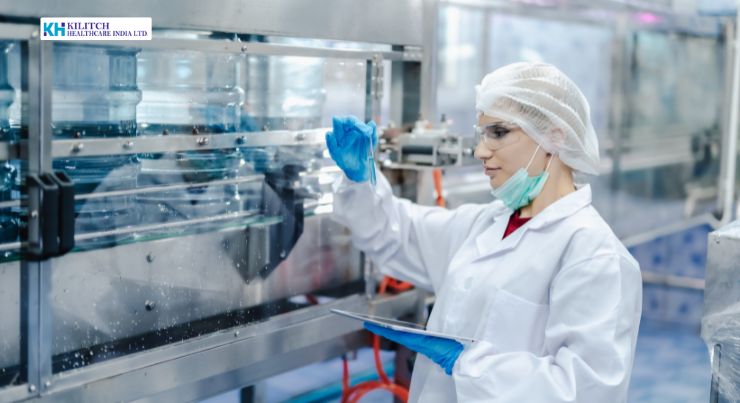
In the pharmaceutical industry, quality is not just a benchmark — it is a responsibility. Every tablet, sterile injectable, and ophthalmic formulation manufactured must meet the highest standards of safety, efficacy, and regulatory compliance. This is where quality assurance in pharmaceutical manufacturing plays a vital role. For pharmaceutical companies operating in highly regulated global markets, strong quality control systems and strict adherence to GMP compliance are fundamental to building trust and ensuring long-term growth. Understanding Quality Assurance in Pharmaceutical Manufacturing Quality assurance (QA) refers to the systematic processes implemented to ensure pharmaceutical products consistently meet predefined quality standards. Unlike quality control, which focuses on testing finished products, QA oversees every stage of pharmaceutical manufacturing, from raw material sourcing to final product distribution. Quality assurance in pharma includes: These structured systems help eliminate errors, reduce contamination risks, and maintain product consistency. Why Quality Assurance Is Critical in Pharma Manufacturing The pharmaceutical industry directly impacts patient health. Any deviation in product quality can lead to serious medical consequences. Therefore, pharmaceutical quality assurance systems ensure: In segments like sterile injectable manufacturing and ophthalmic drug manufacturing, even minor contamination can compromise product integrity. Strict QA protocols safeguard against such risks. GMP Compliance: The Foundation of Quality Good Manufacturing Practices (GMP) form the backbone of pharmaceutical quality systems. GMP guidelines ensure that medicines are: Companies involved in pharmaceutical manufacturing must follow GMP requirements for cleanroom operations, equipment validation, environmental monitoring, and employee training. Regular internal audits and regulatory inspections help maintain compliance and operational excellence. Key Components of a Strong Quality Assurance System 1. Documentation & Traceability Every step in pharmaceutical production must be documented. Proper batch records and traceability systems allow quick identification and resolution of issues. 2. Validation & Qualification Equipment, processes, and systems undergo rigorous validation to ensure consistent performance. This is particularly crucial in aseptic processing for sterile injectables. 3. Environmental Monitoring Controlled manufacturing environments reduce contamination risks. Monitoring air quality, humidity, temperature, and microbial levels is essential in sterile production areas. 4. Training & SOP Implementation Standard Operating Procedures (SOPs) guide employees in maintaining compliance. Regular training ensures adherence to quality standards. Quality Control vs. Quality Assurance While often used interchangeably, quality control in pharmaceutical manufacturing focuses on testing products through: Quality assurance, on the other hand, ensures that these tests are systematically integrated into the manufacturing process. Together, QA and QC create a comprehensive pharmaceutical quality management system. The Impact of Technology on Pharmaceutical Quality Modern pharmaceutical manufacturing facilities use advanced technology to strengthen quality assurance, including: Digital transformation improves transparency, reduces human error, and enhances regulatory readiness. Quality Assurance in Sterile Injectable & Ophthalmic Manufacturing High-risk dosage forms like sterile injectable pharmaceuticals and ophthalmic formulations require enhanced QA measures: These stringent controls ensure products remain safe for direct administration into the bloodstream or eye. Regulatory Readiness & Global Expansion Pharmaceutical companies aiming for international markets must maintain strong pharmaceutical quality assurance systems. Regulatory authorities assess: Companies with robust QA frameworks gain smoother product approvals and global market access. Commitment to Quality at Kilitch Healthcare At Kilitch Healthcare, quality assurance is integrated into every stage of pharmaceutical manufacturing, from raw material evaluation to final product release. Through stringent GMP compliance, environmental monitoring, validated aseptic processes, and detailed documentation systems, the company ensures that every batch consistently meets global safety, stability, and efficacy standards. Conclusion Quality assurance in pharmaceutical manufacturing is not just a compliance requirement — it is the foundation of trust in healthcare. From sterile injectable manufacturing to ophthalmic drug production, maintaining strict QA and GMP compliance ensures patient safety and regulatory success. In an increasingly competitive and regulated pharmaceutical landscape, companies that prioritize quality assurance position themselves as reliable partners in global healthcare delivery. Strong quality systems reduce risk, enhance operational efficiency, and build long-term credibility. Ultimately, pharmaceutical quality assurance is not only about meeting standards – it is about safeguarding lives
The Growing Importance of Sterile Injectable Manufacturing in Global Healthcare
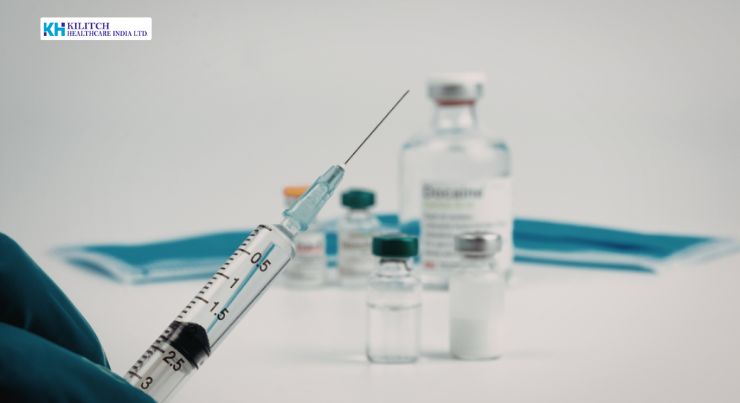
The pharmaceutical industry is witnessing significant transformation, driven by technological advancements and rising demand for advanced therapies. Among the fastest-growing segments is sterile injectable manufacturing, a critical component of modern healthcare delivery. From life-saving antibiotics to oncology treatments and critical care medications, sterile injectables have become essential in hospitals and specialty clinics worldwide. What Are Sterile Injectables? Sterile injectables are pharmaceutical products administered directly into the bloodstream or tissues via intravenous, intramuscular, or subcutaneous routes. Because these drugs bypass the body’s natural defense barriers, maintaining absolute sterility is essential. Sterile injectable pharmaceutical manufacturing involves highly controlled production processes designed to eliminate microbial contamination and ensure patient safety. Why Demand for Sterile Injectables Is Rising Several global healthcare trends are accelerating demand for injectable drug manufacturing: Increase in Chronic Diseases Cancer, cardiovascular disorders, diabetes, and autoimmune conditions often require injectable therapies. Growth of Biologics Biologic drugs and biosimilars are commonly delivered through sterile injectable formats due to their complex molecular structure. Emergency & Critical Care In hospitals, injectables provide rapid therapeutic action, making them indispensable in intensive care units. The Science Behind Sterile Injectable Manufacturing Producing sterile injectables requires precision engineering and advanced quality control systems. Key processes include: Modern pharmaceutical manufacturing facilities utilize HEPA-filtered cleanrooms and validated sterilization systems to maintain contamination-free environments. Regulatory Compliance & Quality Control Compliance is a fundamental requirement in sterile injectable manufacturing. Companies must adhere to: Each batch undergoes microbial testing, particulate analysis, and potency verification before release. Technological Innovations in Injectable Manufacturing Advancements in pharmaceutical technology are enhancing injectable drug production: These innovations improve patient compliance and reduce medication errors. Global Market Opportunities The sterile injectable market continues to expand across emerging and developed economies. Pharmaceutical companies with advanced injectable drug manufacturing capabilities are well-positioned to serve hospitals, distributors, and government healthcare programs. Export-ready facilities with strong regulatory compliance gain a competitive advantage in global markets. Conclusion Sterile injectables are a cornerstone of modern medicine. Their rapid therapeutic action, precision dosing, and suitability for biologics make them essential in critical healthcare settings. As demand continues to rise, pharmaceutical companies investing in advanced sterile injectable manufacturing infrastructure and regulatory excellence will lead the future of global healthcare. In an increasingly complex pharmaceutical landscape, quality-driven injectable manufacturing is not just an operational requirement – it is a commitment to patient safety and medical advancement.
Choosing the Right Pharmaceutical Manufacturing Partner: Key Factors for Long-Term Success

In today’s competitive and highly regulated healthcare landscape, selecting the right pharmaceutical manufacturing partner is one of the most critical decisions a pharma brand can make. Whether launching a new product, expanding into global markets, or scaling production capacity, the right partner ensures quality, compliance, and long-term sustainability. With increasing demand for sterile injectables, ophthalmic formulations, and specialty pharmaceuticals, companies must align with manufacturers that combine advanced infrastructure with regulatory excellence. Why the Right Manufacturing Partner Matters Pharmaceutical manufacturing is not just about production — it directly impacts patient safety, regulatory approvals, and brand reputation. A reliable pharmaceutical manufacturing company ensures: Partnering with the wrong manufacturer can lead to delays, compliance issues, and financial loss. 1. Regulatory Compliance & GMP Certification The foundation of any strong pharmaceutical manufacturing partnership is regulatory compliance. Manufacturers must strictly adhere to: Global pharmaceutical brands prioritize partners with a proven record of passing regulatory audits and maintaining international certifications. Compliance ensures smooth product registration and export approvals. 2. Advanced Manufacturing Infrastructure Modern pharmaceutical products — especially sterile injectable manufacturing and ophthalmic drug manufacturing — require state-of-the-art facilities. Key infrastructure elements include: A technologically advanced facility reduces contamination risks and enhances production efficiency. 3. Strong Quality Assurance Systems Quality is the backbone of pharmaceutical manufacturing. A trustworthy partner implements: These systems ensure every product meets international quality standards. 4. Product Portfolio & Technical Expertise An experienced pharma manufacturing company offers a diversified product portfolio, including: Technical expertise in formulation development and process optimization ensures efficient production and market competitiveness. 5. Scalability & Supply Chain Reliability As market demand grows, your manufacturing partner must scale production without compromising quality. Reliable pharmaceutical contract manufacturing services should provide: A strong logistics and procurement system minimizes disruptions. 6. Transparency & Communication Long-term success in pharmaceutical manufacturing partnerships depends on transparency. Regular reporting, documentation sharing, and open communication help build trust and operational efficiency. The Strategic Advantage of Long-Term Partnerships Pharmaceutical companies that build strategic relationships with experienced manufacturers gain: In a rapidly evolving healthcare industry, selecting the right pharmaceutical manufacturing partner is a strategic investment in quality and growth. Why Kilitch Healthcare Is a Trusted Pharmaceutical Manufacturing Partner As an established pharmaceutical manufacturing company, Kilitch Healthcare emphasizes advanced infrastructure, strict GMP compliance, and robust quality assurance systems across its manufacturing operations. With capabilities in sterile injectable manufacturing and ophthalmic formulations, the company supports global pharmaceutical brands with reliable production, regulatory readiness, and consistent product quality. Strategic manufacturing partnerships built on compliance and transparency help ensure long-term success in competitive healthcare markets. Conclusion Choosing the right pharmaceutical manufacturing partner requires careful evaluation of compliance standards, infrastructure capabilities, quality systems, and scalability. In highly regulated segments such as sterile injectable manufacturing and ophthalmic pharmaceutical manufacturing, expertise and precision are non-negotiable. A reliable partner ensures consistent quality, regulatory success, and sustainable expansion in domestic and international markets. In today’s global healthcare ecosystem, collaboration with a trusted pharmaceutical manufacturer is the foundation of long-term success.
The Science Behind Advanced Ophthalmic Formulations: Precision, Safety & Innovation

The global demand for effective ophthalmic formulations is rising rapidly as eye disorders become more prevalent across all age groups. From dry eye syndrome and glaucoma to post-surgical care and infections, advanced ophthalmic pharmaceutical products play a crucial role in modern eye treatment. Developing safe, effective, and sterile eye medications requires precision science, advanced manufacturing technology, and strict regulatory compliance. For pharmaceutical manufacturers specializing in ophthalmic drug manufacturing, innovation and sterility are not optional — they are essential. Understanding Ophthalmic Formulations Ophthalmic formulations are sterile pharmaceutical preparations designed specifically for administration in the eye. These include: Because the eye is highly sensitive, ophthalmic products must meet stringent sterility and safety standards. Unlike other dosage forms, even minor contamination in ophthalmic manufacturing can lead to severe infections or vision complications. Why Sterility Is Critical in Ophthalmic Drug Manufacturing The eye’s protective mechanisms are delicate. Any microbial contamination can cause serious conditions such as conjunctivitis, keratitis, or corneal ulcers. Therefore, sterile ophthalmic manufacturing requires: Pharmaceutical companies involved in ophthalmic pharmaceutical manufacturing must comply with global GMP standards and maintain validated sterile production processes. Sterility assurance is the backbone of safe and effective ophthalmic drug development. Key Components of Advanced Ophthalmic Formulations Modern ophthalmic products are formulated with scientific precision to ensure stability, comfort, and therapeutic efficiency. 1. Active Pharmaceutical Ingredients (APIs) These are the therapeutic components targeting specific eye conditions such as inflammation, infection, or glaucoma. 2. pH and Osmolarity Balance Ophthalmic solutions must match the natural tear fluid to prevent irritation. Proper pH adjustment improves patient comfort and drug absorption. 3. Preservatives or Preservative-Free Systems While preservatives extend shelf life, preservative-free eye drops are increasingly preferred to reduce irritation, especially in chronic treatments. 4. Viscosity Enhancers These ingredients improve contact time with the ocular surface, enhancing drug effectiveness. The science behind ophthalmic formulation development ensures that medications remain stable, sterile, and effective throughout their shelf life. Growing Demand for Ophthalmic Pharmaceutical Products Several factors are driving the growth of the ophthalmic pharmaceutical market: Increasing Screen Time Digital device usage has significantly increased cases of dry eye syndrome and digital eye strain. Aging Population Age-related eye disorders such as cataracts and glaucoma are becoming more common globally. Post-Surgical Eye Care Advanced ophthalmic formulations are widely used after cataract and refractive surgeries. Rising Awareness of Eye Health Patients are seeking early treatment for minor symptoms, boosting demand for high-quality ophthalmic solutions. These trends are creating strong opportunities in ophthalmic drug manufacturing and global exports. Innovation in Ophthalmic Drug Development The future of ophthalmic pharmaceutical manufacturing is shaped by innovation and patient-centric solutions. Preservative-Free Multi-Dose Systems Advanced packaging allows multiple uses without preservatives, improving safety for long-term patients. Sustained-Release Ophthalmic Formulations New technologies enable extended drug release, reducing dosing frequency. Single-Dose Sterile Units These minimize contamination risk and improve compliance. Advanced Packaging Technology Blow-fill-seal (BFS) technology is widely used in ophthalmic manufacturing to maintain sterility and minimize human intervention. These innovations enhance product safety, therapeutic performance, and regulatory compliance. Regulatory Compliance in Ophthalmic Manufacturing Compliance with international pharmaceutical regulations is essential in ophthalmic drug production. Manufacturers must adhere to: Global pharmaceutical companies rely on experienced manufacturers with strong regulatory track records to ensure smooth approvals in export markets. Quality Control: The Foundation of Trust Every batch of ophthalmic pharmaceutical products undergoes rigorous quality testing, including: These quality assurance processes ensure consistency, safety, and efficacy in every unit manufactured. In highly sensitive therapeutic areas like ophthalmology, quality is not just a standard — it is a responsibility. Conclusion Advanced ophthalmic formulations represent a critical segment of the pharmaceutical industry. From sterile eye drops to innovative preservative-free systems, ophthalmic drug development demands scientific precision, cutting-edge technology, and strict regulatory compliance. As global demand for safe and effective eye care continues to grow, pharmaceutical companies specializing in ophthalmic pharmaceutical manufacturing play a vital role in improving patient outcomes worldwide. With continuous innovation in sterile manufacturing, packaging technology, and formulation science, the future of ophthalmic healthcare looks more advanced, precise, and patient-focused than ever before.
How Sterile Injectables Are Revolutionizing Modern Medicine
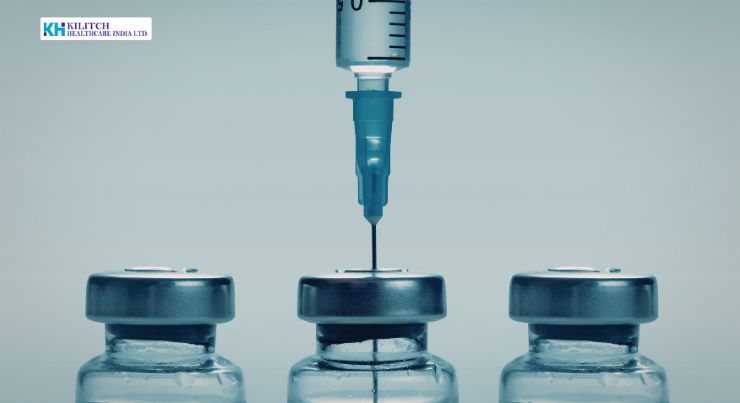
In modern healthcare, precision, safety, and rapid therapeutic action are more critical than ever. Among the most significant advancements in pharmaceutical science is the development of sterile injectables. These life-saving formulations have transformed emergency medicine, oncology, critical care, and specialty treatments worldwide. For pharmaceutical manufacturers like Kilitch Healthcare, sterile injectable manufacturing represents a commitment to quality, innovation, and global healthcare standards. What Are Sterile Injectables? Sterile injectables are pharmaceutical formulations administered directly into the body through intravenous (IV), intramuscular (IM), or subcutaneous routes. Unlike oral medications, injectable pharmaceuticals bypass the digestive system, delivering immediate therapeutic effects. These products must meet strict sterility requirements to prevent contamination and ensure patient safety. Even the smallest microbial presence can pose serious health risks. Therefore, sterile injectable manufacturing demands advanced infrastructure, cleanroom environments, and rigorous quality control systems. Common types of sterile injectables include: Why Sterility Is Non-Negotiable Sterility is the foundation of injectable drug manufacturing. Since these medications enter directly into the bloodstream or tissues, they must be completely free from bacteria, viruses, and particulate matter. Pharmaceutical companies must follow: Modern sterile injectable facilities use high-efficiency air filtration systems (HEPA), automated filling lines, and aseptic processing techniques to maintain product integrity. These standards ensure that patients receive safe, reliable, and effective treatment. The Growing Demand for Sterile Injectables The global pharmaceutical industry is witnessing rising demand for sterile injectables due to: 1. Increase in Chronic Diseases Cancer, cardiovascular disorders, diabetes, and autoimmune conditions often require injectable treatments for faster and more targeted drug delivery. 2. Rise in Biologics and Specialty Medicines Many biologics and advanced therapies are formulated as sterile injectables because they cannot survive the digestive process. 3. Hospital and Critical Care Usage In emergency medicine, injectables provide immediate action, making them essential in ICUs and surgical settings. As healthcare systems evolve, injectable drug manufacturing continues to grow as a critical segment of the pharmaceutical market. Advantages of Sterile Injectables in Modern Medicine Rapid Onset of Action Injectables work faster than oral medications because they enter directly into systemic circulation. Higher Bioavailability Since they bypass digestion, sterile injectable drugs provide 100% bioavailability in most cases. Precision Dosing Hospitals and healthcare professionals can administer exact doses, ensuring optimal therapeutic outcomes. Suitable for Complex Molecules Advanced biologics and sensitive drug compounds can be delivered safely through injectable formats. These advantages have positioned sterile injectables as a backbone of modern therapeutic solutions. The Role of Advanced Manufacturing Sterile injectable production requires highly specialized infrastructure and technical expertise. Key elements include: Pharmaceutical companies investing in state-of-the-art sterile manufacturing facilities ensure not only product safety but also regulatory approval in international markets. Quality-driven injectable pharmaceutical companies focus heavily on process validation, sterility testing, and batch traceability to maintain consistent product standards. Innovation Driving the Future The future of sterile injectable manufacturing is shaped by innovation and technology: These innovations are enhancing patient safety, reducing medication errors, and improving healthcare efficiency. Regulatory Compliance and Global Standards Manufacturing sterile injectables requires strict compliance with international regulatory authorities. Pharmaceutical companies must adhere to guidelines set by global health organizations to maintain export approvals and market trust. Key compliance areas include: Regulatory excellence ensures that sterile injectable products meet international safety benchmarks. Conclusion Sterile injectables are redefining the future of healthcare. From life-saving emergency medications to advanced oncology therapies, these formulations offer unmatched speed, precision, and therapeutic efficiency. As the pharmaceutical industry continues to innovate, the demand for high-quality sterile injectable manufacturing will only increase. Companies that invest in advanced infrastructure, stringent quality control, and regulatory excellence play a vital role in supporting global healthcare systems. With growing emphasis on patient safety, biologics, and complex drug formulations, sterile injectables are not just a segment of pharmaceutical manufacturing – they are the foundation of modern medicine.
